
Shop hardwired surge protective devices designed to help limit transient overvoltage reaching industrial, commercial and electrical equipment. These SPDs are permanently connected to electrical systems and may be installed at service entrances, distribution equipment, branch panels, control panels or individual equipment locations.
Compare hardwired surge protective devices by nominal system voltage, phase, wiring configuration, SPD type, maximum continuous operating voltage, surge-current rating, protective modes, enclosure and monitoring features. Select the device for the specific electrical system and installation location.

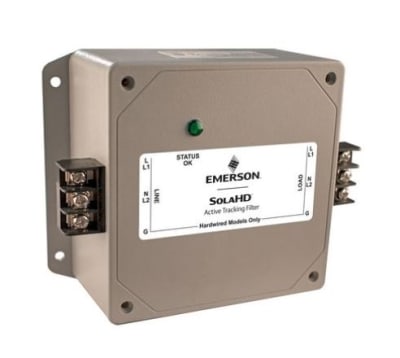
Hardwired surge protective devices are permanently connected to an electrical system and help divert transient surge energy before it reaches downstream equipment. They can be installed at multiple points in the electrical distribution system depending on the required level of protection.
Correct SPD selection requires more than matching the nominal voltage. The device must be compatible with the electrical-system configuration, installation location, grounding arrangement and applicable protective modes.
Surge protection is often most effective when coordinated at multiple points in an electrical system. A device installed near the service or distribution equipment can address incoming surge energy, while additional protection closer to sensitive equipment can help limit remaining transient voltage.
Connection conductors should be installed according to the SPD manufacturer’s instructions. Excessive lead length can affect the voltage experienced by protected equipment during a transient event.