
Rechargeable batteries store electrical energy for repeated use and support applications ranging from standby backup power to daily cycling. Wallco’s rechargeable-battery categories include valve-regulated lead-acid designs such as general-purpose, high-rate, long-life and deep-cycle AGM batteries as well as lithium iron phosphate options for compatible equipment.
Selecting the correct rechargeable battery begins with the application. Chemistry, voltage, capacity, discharge rate, cycle profile, charger, physical size, terminals, temperature and safety requirements all interact. A battery that is excellent for standby service may be poor for daily cycling, and a battery suited to deep cycling may not be approved for a UPS or life-safety device.


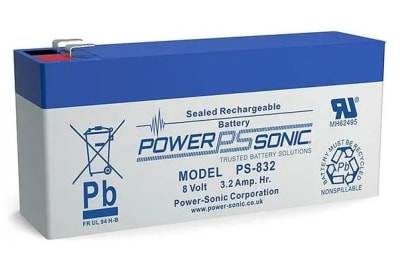
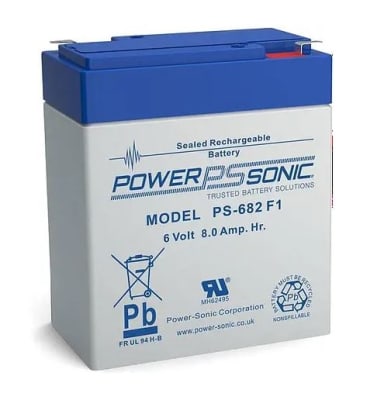

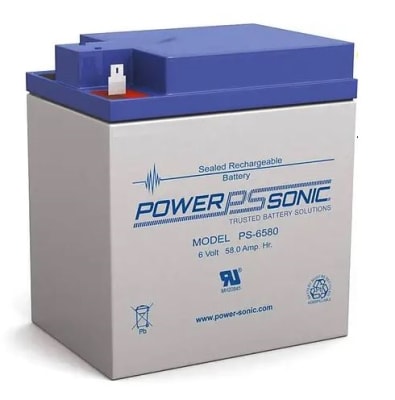

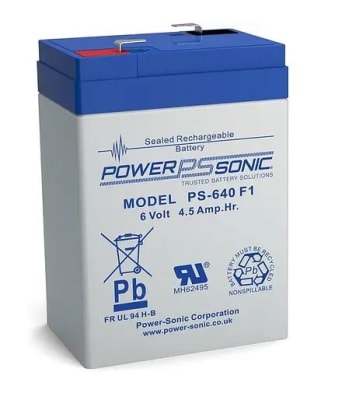
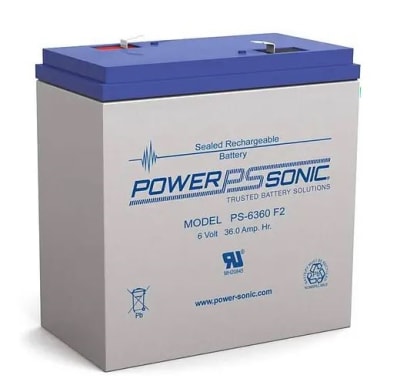
SLA/VRLA batteries remain common in UPS, security, emergency and telecom equipment because they are established, cost-effective and easy to integrate. Within lead-acid, high-rate designs target short heavy discharges, deep-cycle AGM targets repeated cycling and long-life standby models prioritize float service. LiFePO4 can offer lower weight and high cycle life where equipment and charging systems are compatible.
Nominal voltage must match the system, and capacity should be evaluated at the discharge conditions relevant to the application. Amp-hours alone do not determine runtime, especially at high currents. For UPS and inverter loads, use manufacturer discharge data at the expected power and cutoff voltage.
A standby battery spends most of its life fully charged and is discharged only during outages. A cyclic battery is discharged and recharged routinely. These duty cycles place different demands on internal construction. Clearly identifying the operating profile prevents a common mistake: selecting a battery only because its voltage and case size match.
Battery and charger form one system. Lead-acid batteries require appropriate float and recharge voltages, while LiFePO4 packs have chemistry-specific profiles and BMS limits. Changing chemistry without evaluating the charger can reduce life or cause operation problems.
Temperature affects capacity, charge acceptance and aging. Heat is particularly damaging to lead-acid standby life, while LiFePO4 has important low-temperature charging limits. Enclosures should allow the battery to operate within its specified range and provide any ventilation or protection required by the application.
Batteries can be combined to meet higher voltage or capacity requirements, but units in a bank should be compatible and closely matched. Follow manufacturer limits for series/parallel operation. In series UPS strings, one weak battery can reduce performance of the entire bank.
Start with application, equipment approval and original battery specification. Then confirm chemistry, voltage, capacity, dimensions, terminals, discharge rate, runtime, cycle requirements, temperature and charger compatibility. For new systems, size around realistic load profiles and desired service life rather than minimum nameplate values.
A rechargeable battery is not interchangeable solely because voltage and amp-hours match. High-rate, standby and deep-cycle designs solve different problems. Lithium substitutions require charger and system compatibility checks. Battery age and temperature can materially reduce usable capacity long before a case shows visible damage.
Wallco can help compare specifications, compatibility and application requirements when you are selecting new components or replacing an existing part. Providing the manufacturer and model of the equipment you are connecting to, along with key electrical, mechanical and environmental requirements, helps narrow the correct choice.