
Shop copper network connectivity products for Ethernet, structured cabling and data-communications installations. This category includes copper patch cords, modular jacks, patch panels, plugs, couplers, faceplates and related components used to build and maintain reliable network cabling systems.
Compare copper connectivity products by cable category, shielding, conductor type, connector style, port count and installation format. Select components that match the required network performance, cabling standard and installation environment.
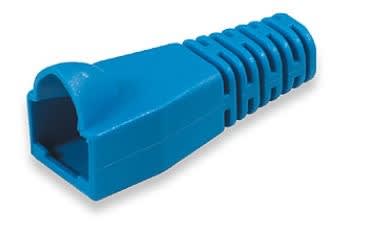
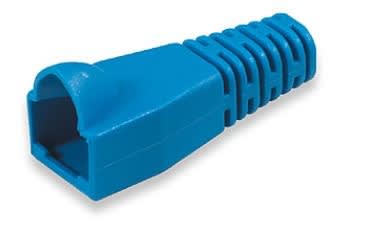

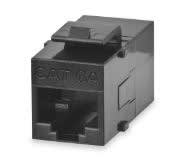
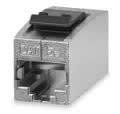

Copper network connectivity products form the physical connection system between network equipment, horizontal cabling and connected devices. These components are used throughout commercial, industrial and structured-cabling installations to terminate cable, organize network connections and provide reliable Ethernet connectivity between equipment rooms and work areas.
Wallco's Copper Network Connectivity category brings together reusable copper networking product families such as patch cords, patch panels, modular jacks, plugs, couplers, faceplates and surface-mount hardware. Organizing these products by function makes it easier to compare compatible components across manufacturers while still preserving manufacturer-specific product families where useful.
Copper networking components should be selected as part of the complete structured-cabling channel rather than as isolated pieces. Cable, patch panels, jacks, patch cords and network equipment all work together to create the finished network connection.
Before selecting components, identify the cabling category, shielding requirements, connector configuration and physical installation method required by the system.
Copper structured-cabling systems are commonly organized by performance category. Connectivity components should generally match the category of the permanent cabling and the intended network design.
Category 5e connectivity remains common in existing Ethernet installations and can include patch cords, jacks, patch panels and related hardware designed for Category 5e systems.
Category 6 connectivity is widely used in commercial structured cabling and includes components designed to support Category 6 channel performance when installed as part of a compatible system.
Category 6A connectivity is used where Category 6A infrastructure is required. Patch cords, jacks, patch panels and other components should be selected to match the system's performance and shielding requirements.
Using a higher-category component in one location does not automatically upgrade the performance of the complete cabling channel. The finished system is influenced by the permanent cable and each connecting component within the link.
Patch panels provide an organized termination point for horizontal network cabling in telecommunications rooms, equipment rooms and network cabinets. Individual cable runs can terminate at the rear of the panel while front-facing ports provide accessible connection points for patch cords and network equipment.
When selecting a patch panel, consider the cabling category, port count, mounting format and termination method. The panel should also be compatible with the rack, enclosure or cabinet in which it will be installed.
Proper cable organization around the patch panel can make ongoing maintenance, troubleshooting and network changes easier. Rack accessories and cable-management hardware may also be required depending on the size and layout of the installation.
Modular jacks provide the connection point between installed horizontal cabling and patch cords used by computers, phones, access points, cameras and other network-connected equipment.
Jacks may be installed in faceplates, surface-mount boxes, patch panels or other compatible mounting systems. When selecting a replacement or new jack, verify the cable category, shielding requirements, termination style and physical mounting format.
Color and labeling options may also be useful in larger installations where different networks, departments or applications need to be visually identified.
RJ45-style plugs are commonly associated with copper Ethernet connections and may be used for factory-assembled cords or field-terminated cable assemblies where appropriate. Plug selection should match the cable type, conductor construction and intended network category.
Couplers provide an inline connection between compatible modular Ethernet cables or ports. When using a coupler, confirm its category rating and shielding configuration so it does not become an unintended limitation within the cabling channel.
Industrial or specialized Ethernet installations may use connector configurations that differ from standard commercial patch-cord applications. Always verify the actual equipment interface before selecting a replacement plug or coupler.
Faceplates and surface-mount hardware provide the finished mounting point for modular network jacks and other connectivity modules. These products are commonly used at work areas, equipment locations and other points where permanent structured cabling transitions to a user-accessible network connection.
Selection can depend on the number of required ports, compatible module format, gang size, mounting surface and available installation space. Surface-mount boxes can be useful where recessed wall mounting is not practical or where cabling is routed along an existing surface.
When combining faceplates, jacks and adapters, verify that the mounting formats are compatible rather than assuming all modular components use the same dimensions.
Many commercial structured-cabling systems use unshielded twisted-pair cabling, while other installations use screened or shielded components to address the requirements of the network environment.
If the installed system is shielded, the cable, jacks, patch panels, patch cords and related hardware should be evaluated together. Installing a shielded component at only one point does not by itself create a properly shielded cabling system.
When maintaining an existing installation, identify whether the cabling and connectivity hardware are shielded or unshielded before ordering replacement parts.
Copper network connectivity products may be used in applications including:
The performance and reliability of a copper Ethernet link depend on more than any single component. Permanent cable, patch panels, modular jacks, patch cords and network equipment all contribute to the complete channel.
When adding to an existing network, begin by identifying the installed cabling category and shielding configuration. From there, choose patch panels, jacks, patch cords and related hardware that are appropriate for the same system.
For replacement parts, compare the existing component's category rating, mounting style, port configuration and connector type before ordering. This is especially important when working with older structured-cabling systems or specialized industrial networking hardware.
