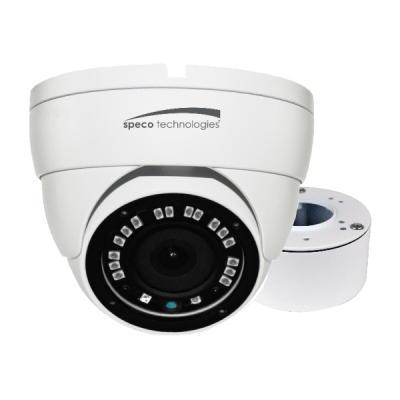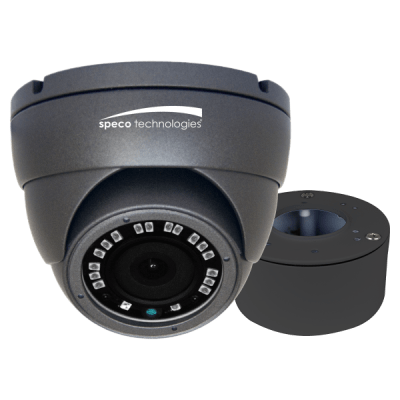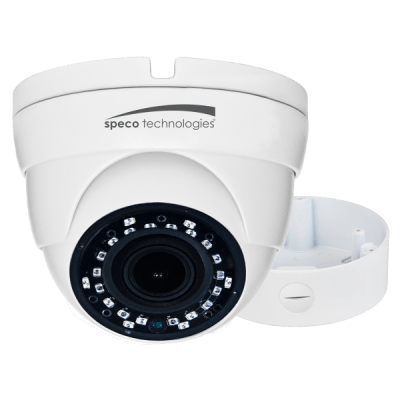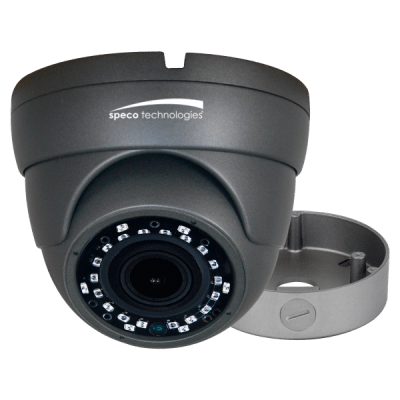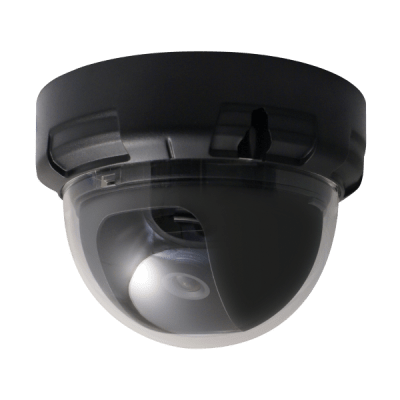
HD analog surveillance cameras deliver high-definition video over coaxial cable, making them useful for upgrading legacy CCTV systems without replacing existing home-run coax. Technologies such as HD-TVI, HDCVI and AHD can carry HD video over familiar cabling, but format and recorder compatibility must be confirmed before mixing equipment.
Verify the recorder-supported analog HD format, camera resolution, lens, power requirement, video connector, cable condition and distance. A camera that uses the wrong signaling format may produce no usable picture even though it connects with the same BNC connector.

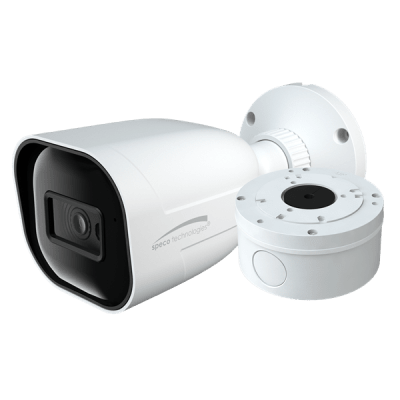
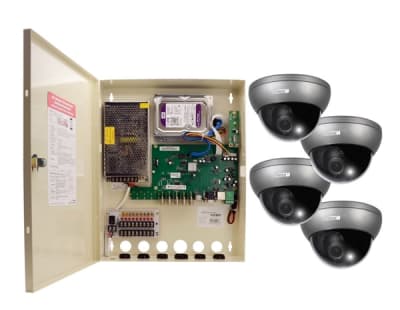
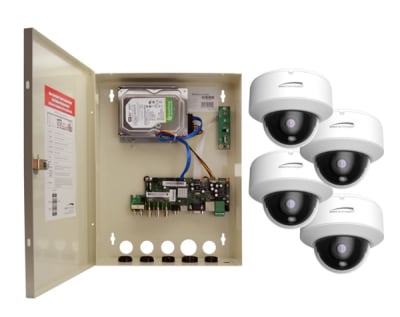

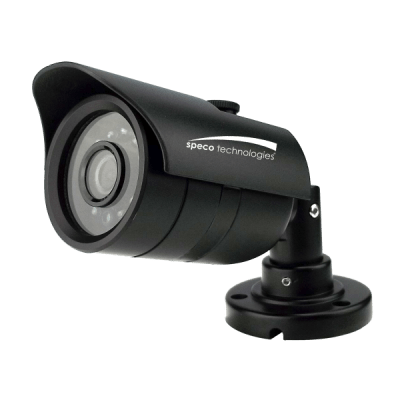
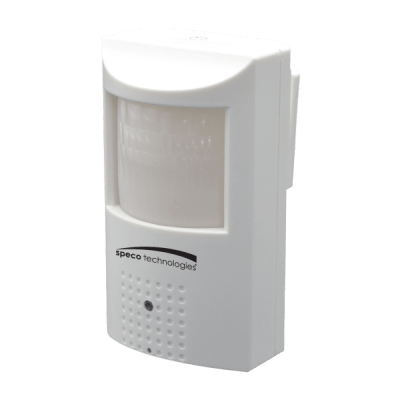
Existing coax can represent a major portion of installation cost. HD analog cameras allow many facilities to retain that cabling while improving image resolution. They can also provide a straightforward point-to-point architecture for sites that do not want every camera on the IP network.
HD-TVI, HDCVI, AHD and legacy CVBS are distinct signaling methods. Multi-format cameras and hybrid recorders can ease replacement work, but installers should confirm the supported format and resolution at both ends before ordering.
RG59 and other 75-ohm coaxial cabling are common in surveillance. Distance capability depends on format, resolution, cable quality, connectors and interference. Old or damaged coax, poor BNC terminations and ground potential differences can degrade an otherwise compatible system.
Many HD analog cameras use separate 12 VDC or 24 VAC power. Centralized power supplies simplify service but require voltage-drop calculations over long cable runs. Check polarity, current consumption and heater/IR load when sizing power.
As with IP cameras, field of view and lighting matter more than connector type. Choose fixed or varifocal optics based on target distance, and evaluate IR, WDR and minimum-illumination performance for the actual scene.
Hybrid recorders can allow analog and IP cameras to coexist, helping facilities migrate gradually. When planning an upgrade, compare the cost of reusing coax with the long-term advantages of IP networking, PoE, higher resolutions and advanced analytics.
HD analog is often a strong choice in schools, retail, warehouses and small commercial sites where a serviceable coax plant already exists and replacing all cabling would dominate project cost. It can also work well where technicians are familiar with point-to-point CCTV architecture. The tradeoff is that advanced IP features and centralized network management may be more limited.
Before replacing every component on a problem channel, test the new camera directly at the recorder with a short known-good cable and local power. If it works locally, the field cable, connectors or power run become the likely issue. Use format-selection switches or menus carefully because a camera configured for the wrong HD analog mode may appear completely dead on an otherwise functional link.
For a replacement or new installation, send Wallco the equipment model, system type, electrical or network requirements, installation environment and any compatibility constraints. The more application detail provided, the easier it is to narrow the correct product family and avoid a physically similar but incompatible part.