
Shop redundancy modules used to combine compatible DC power supplies into redundant power systems for industrial automation and control applications. These modules help isolate parallel power sources so one supply can continue supporting the load if another supply becomes unavailable.
Compare redundancy modules by input-voltage range, channel current, total output current, voltage drop, mounting method and compatible power supplies. Verify that the complete redundant system is properly sized for the load and required level of availability.


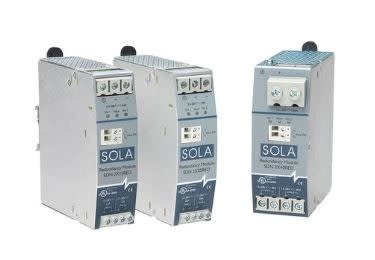
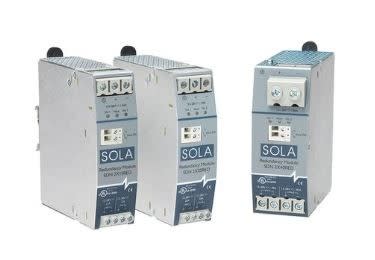


Redundant power systems use two or more power supplies so the connected equipment can continue operating if one source fails or is taken out of service. A redundancy module electrically isolates the supplies and directs their DC outputs to the common load.
A redundancy module does not create additional backup capacity by itself. For true redundancy, the remaining power supply or supplies must be capable of supporting the entire required load after one source is lost.
In an N+1 arrangement, the system includes enough power-supply capacity to support the normal load plus one additional supply. If one power supply becomes unavailable, the remaining units can continue powering the equipment without exceeding their ratings.