
Power cords and power cables deliver electrical power between outlets, power supplies and equipment. Unlike signal cables, selection is governed by voltage, current, conductor size, connector configuration, grounding, temperature, jacket construction and safety approvals. Using the wrong assembly can create overheating, shock or equipment-damage risk.
This category includes AC power cords, DC power cables and power extension cords. The correct product must match both electrical ratings and physical connectors. A connector that fits mechanically should never be assumed to have the correct voltage, polarity or current capacity.
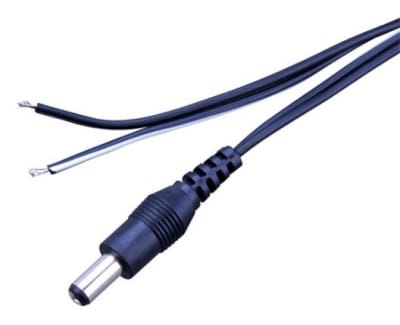
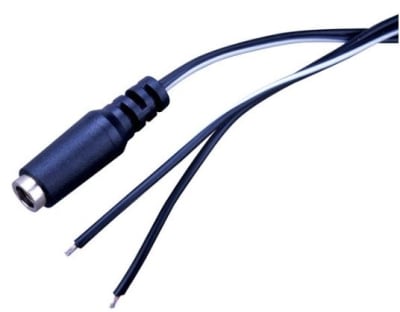
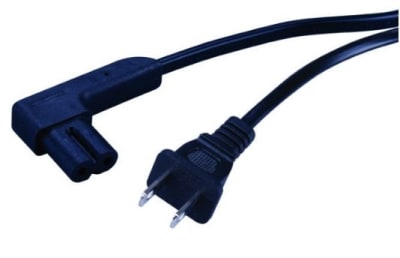


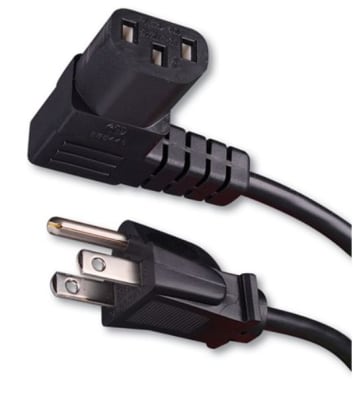
AC equipment cords pair a plug with an equipment connector or receptacle. Plug configuration identifies supply voltage/current conventions and grounding, while equipment-side connectors must match the inlet. Verify amperage rating, conductor gauge, cord length and applicable certifications for the region and application.
DC cables may use barrel connectors, ring terminals, locking connectors or proprietary interfaces. Polarity is critical, particularly with coaxial barrel connectors where center-positive and center-negative conventions both exist. Voltage drop can also become significant on long low-voltage DC runs because current may be relatively high.
Conductor size must support the load current without excessive heating or voltage drop. Higher-current equipment generally requires larger conductors. Extension cords and long DC leads deserve particular attention because added length increases resistance. Do not select cord gauge solely by physical flexibility.
Grounded equipment should use the correct grounding conductor and plug arrangement. Do not defeat a grounding pin or substitute an ungrounded cord for equipment designed to be grounded. Cords used outdoors, in industrial areas or around oils and abrasion may require tougher jackets and specific environmental ratings.
Identify supply voltage, maximum current, plug type, equipment connector, grounding requirement, length and environment. For DC, confirm polarity. For replacement cord sets, compare the equipment nameplate and original cord markings rather than buying by connector appearance alone.
Power assemblies must be sized and approved for the energy they carry. Do not repurpose visually similar low-voltage signal cable as a mains cord, and do not assume a connector family implies a single voltage. Equipment manufacturers may use the same mechanical DC connector across different products with different voltage or polarity, making nameplate verification essential.
Before ordering power cords & power cables, record the equipment interfaces at both ends, the required electrical or signal standard, cable length, installation environment and any existing part number or cable marking. For replacements, matching only the connector can be misleading; confirm the underlying signal type, impedance, conductor configuration, performance rating and environmental requirements. Providing those details helps Wallco narrow the correct product and avoid compatibility problems.
Cable performance is a system issue: the source, destination, connectors, cable construction, length and installation conditions all contribute to the result. A cable that physically fits is not automatically electrically compatible, and a higher advertised category or bandwidth does not correct a mismatched interface. When in doubt, start with the equipment manufacturer specifications and choose a cable assembly or bulk cable that explicitly supports those requirements.
Wallco can help compare cable construction, connectors, ratings and application requirements when you are selecting a new installation product or replacing an existing cable. If available, provide the connected equipment models, existing cable markings, required length and installation environment so the options can be narrowed accurately.
