
Power extension cords extend AC power from a receptacle to equipment when the original cord cannot reach. Selecting one safely requires matching voltage, amperage, plug/receptacle configuration, conductor gauge, cord length, grounding and environment. Light-duty indoor cords, heavy-duty service cords, outdoor cords and industrial extensions are not interchangeable simply because they all provide a longer reach.

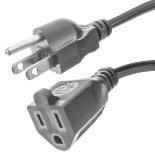
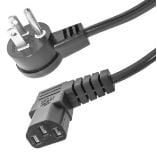


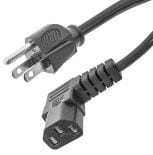
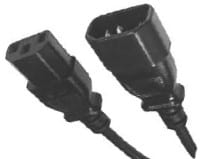
Extension-cord conductors have resistance, so voltage drop increases with both current and length. Longer runs and larger loads generally require heavier-gauge conductors. Undersized cords can cause low equipment voltage and excessive heating at the cable or connectors.
Check the equipment nameplate and cord rating rather than estimating load from appliance size. Motors, compressors and power tools can draw elevated startup current that makes voltage drop more noticeable.
Grounded equipment should be supplied through a three-conductor extension cord with an intact grounding path. Do not remove the ground pin or use a two-wire household extension for equipment that requires grounding.
NEMA plug and receptacle patterns indicate specific electrical configurations. A 15 A, 120 V household-style extension differs from 20 A, locking, 240 V and specialty industrial configurations even when the cord construction looks similar.
Outdoor and jobsite cords use jackets intended to tolerate moisture, abrasion, temperature and rough handling better than light-duty indoor cords. Industrial locations may add exposure to oil, chemicals, welding activity or repeated movement. Choose a cord whose service/jacket rating is appropriate for the environment.
An outdoor rating does not mean a cord can be submerged or left in standing water. Connections should be protected from moisture and physical damage according to applicable electrical practices.
A heavily loaded extension cord should not remain tightly coiled because coiling can reduce heat dissipation. Cord reels may have different current ratings when fully wound versus fully extended. Follow the reel or cord manufacturer’s loading instructions.
Inspect connectors for discoloration, softened plastic or loose contacts. High-resistance plug connections can generate heat even when conductor gauge is adequate.
Extension cords are generally intended as flexible temporary connections or equipment leads, not as substitutes for permanent building wiring. Routing cords through walls, ceilings, doors or locations where they are subject to damage can create code and safety issues.
If equipment needs permanent power in a location without a nearby receptacle, installing appropriate branch-circuit wiring is usually preferable to relying on a long-term extension cord.
Identify supply voltage, receptacle type, equipment plug, continuous current, startup current if applicable, required length and environment. Then select a cord with adequate electrical ratings and conductor size. Use only the length needed; excessive length adds resistance, clutter and trip exposure.
For critical industrial equipment, also consider connector retention, strain relief, visibility, abrasion resistance and whether a locking connector is needed to prevent accidental disconnection.
Before choosing an extension cord, document supply voltage, plug/receptacle configuration, equipment running current, motor or compressor startup characteristics, required length and indoor/outdoor/industrial environment. Select gauge with both load and distance in mind. For recurring use at the same workstation or machine, consider whether a properly installed permanent receptacle would be safer and more reliable than making an extension cord part of the normal facility wiring arrangement.
Length still affects voltage drop; longer runs may require heavier conductors even when the nominal amp rating appears adequate.
Not necessarily. Load, length, duty cycle and manufacturer recommendations must be considered.
Extension cords are generally not intended to replace permanent branch-circuit wiring.
Wallco can help match connector type, electrical or optical requirements, cable length and installation conditions to the application. When possible, provide the equipment manufacturer/model, existing connector information and required run length.
