
1/4-inch phone plugs are rugged audio and control connectors widely used in musical instruments, amplifiers, professional audio, patching, test equipment and industrial controls. Choosing the correct plug requires matching TS or TRS contact arrangement, cable construction, connector body style and the signal function.
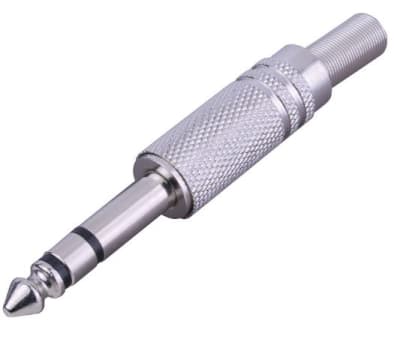


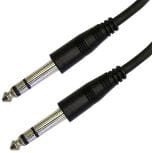

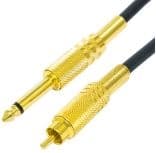

TS plugs provide tip and sleeve contacts and are common for unbalanced instrument signals, speaker-level connections on some equipment and simple control circuits. TRS plugs add a ring contact and may carry balanced mono audio, stereo audio or insert/send-return functions. The equipment determines the wiring; a three-contact plug should not be assumed to mean stereo.
The same 1/4-inch shell can appear in very different electrical applications. Guitar/instrument cables typically use shielded coax-like construction for high-impedance signals. Balanced line cables use two conductors plus shield. Speaker cables carry much higher current and should use heavier unshielded conductors. Using an instrument cable as a speaker cable can create excessive loss and heating.
Straight metal-shell plugs are common in racks and patching. Right-angle plugs reduce protrusion on instruments, pedalboards and crowded panels. Match the cable entry to the jacket diameter so the strain relief grips securely. For touring or repeated flexing, robust chuck-style strain relief can materially improve service life.
Good 1/4-inch terminations require correct conductor preparation, secure shield handling and minimal exposed conductor. Excess heat can damage insulation, while weak mechanical support allows flexing at the solder joint. On TRS plugs, maintain clear separation between tip, ring and sleeve terminals to prevent intermittent shorts when the connector is assembled.
Identify TS versus TRS, cable type, signal level, cable diameter and required body style. For a failed molded cable, replacing only the plug is practical if the cable remains healthy and enough length exists to reterminate it. In speaker or high-current use, verify the connector and cable are rated appropriately rather than choosing a plug intended only for low-level audio.
For instrument and professional-audio work, cable construction should drive the connector choice. A low-capacitance instrument cable, balanced microphone/line cable and heavy speaker cable can all terminate in a 1/4-inch shell but require different internal space and strain relief. Large speaker cable may not fit plugs designed around slim audio patch cable.
This category covers male cable-end 1/4-inch connectors. Chassis and PCB receptacles belong under 1/4-Inch Audio Jacks & Receptacles, while 3.5mm-to-1/4-inch size changes belong under Audio Plug & Jack Adapters. Separating these roles prevents a simple repair from turning into an adapter chain that adds leverage and extra contact points.
Quarter-inch plugs remain common because they are durable, serviceable and easy to handle on stage, in studios and in industrial equipment. Guitar leads, patch cords, balanced line cables and amplifier speaker leads may all use the format. Keeping the cable type and circuit role identified prevents an electrically inappropriate assembly from being selected simply because the plug fits.
It is not recommended. Instrument cable is designed for low-level signals, while speaker cable requires larger conductors for higher current.
No. TRS can carry balanced mono, stereo unbalanced or other circuits depending on the equipment.
It reduces protrusion and cable bend in tight spaces such as instruments, pedalboards and shallow equipment racks.
Wallco can help narrow connector family, gender, contact count, termination, cable fit and application requirements. For replacements, provide the equipment manufacturer/model, clear photos of the mating face and side profile, and any dimensions or pinout information available.
