
Network video recorders (NVRs) record digital video streams from IP cameras and provide centralized storage, search, playback and system management. An NVR must be sized for both the number of cameras and the total stream bandwidth, while also providing enough storage and drive performance for the desired retention period.
Compare channel count, incoming bandwidth, supported codecs and resolutions, PoE ports and power budget, hard-drive bays, maximum storage, display outputs, playback capability, analytics support and ONVIF/vendor interoperability.


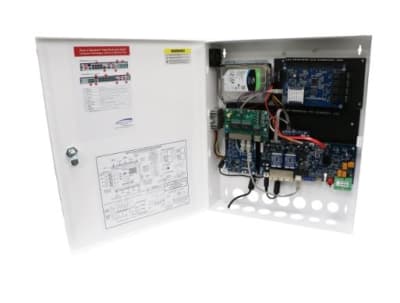
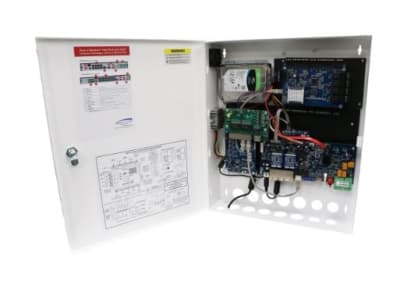


PoE NVRs provide dedicated camera ports and can simplify small to medium installations. Larger systems often use external managed PoE switches for flexibility, redundancy and distributed wiring. Decide whether cameras need to be isolated behind the recorder or available on the broader surveillance network.
Channel count alone can be misleading. Ten high-bitrate 4K streams can demand more recorder throughput than many lower-resolution cameras. Add expected camera bitrates and keep margin for scene variation, additional streams and future expansion.
Storage is driven by bitrate multiplied over time. Motion schedules, variable bitrate and H.265 can reduce average consumption, but design retention around the site’s actual risk and evidence needs. Number of drive bays also affects future expansion and redundancy options.
An NVR may record more high-resolution streams than it can display simultaneously at full resolution. Review local output resolution, multi-camera playback limits and transcoding behavior when operators need to review many cameras at once.
Vendor-matched systems typically expose the most features. Third-party cameras may work through ONVIF or standard streams, but smart events, audio, edge storage and configuration controls can vary. Validate required functions before standardizing on a mixed-brand design.
Use role-based accounts, strong credentials, encrypted remote-access methods where supported and current firmware. NVRs are network appliances holding sensitive video; lifecycle support, update availability and export/audit capabilities matter in addition to camera count.
Small NVRs with integrated PoE are convenient for branch offices, stores and small facilities, while enterprise systems often distribute cameras across managed switches and use larger recording servers or clustered storage. The same sizing principles apply at both scales: camera bandwidth, storage retention, failure tolerance and operator needs should drive architecture.
Leave room for additional cameras, higher future bitrates and longer retention requirements. A recorder that is full on channels, bandwidth, PoE budget and drive bays at installation has no practical growth path. In mixed-vendor environments, test representative cameras before a large deployment so interoperability limitations are found before the site is standardized.
For critical sites, consider what happens if the NVR itself fails. Options can include RAID storage, redundant power supplies, failover recorders, edge recording in the cameras or secondary recording servers. The appropriate level depends on risk and budget. RAID protects against certain drive failures but does not protect against recorder theft, corruption or configuration mistakes, so resilience should be designed around the failure modes the site actually needs to tolerate.
For a replacement or new installation, send Wallco the equipment model, system type, electrical or network requirements, installation environment and any compatibility constraints. The more application detail provided, the easier it is to narrow the correct product family and avoid a physically similar but incompatible part.
