
Audio plug and jack adapters bridge common analog connector formats such as 3.5mm, 1/4-inch and RCA. They solve size, gender and form-factor differences, but they do not automatically correct wiring, impedance, level, balanced/unbalanced topology or headset standards. Selecting the right adapter requires understanding the signal on both sides.
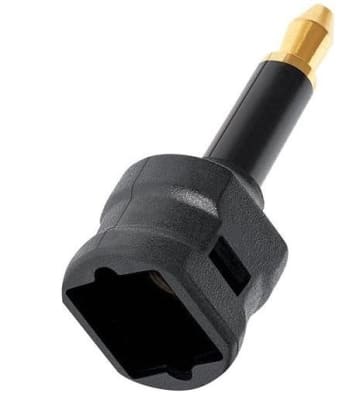
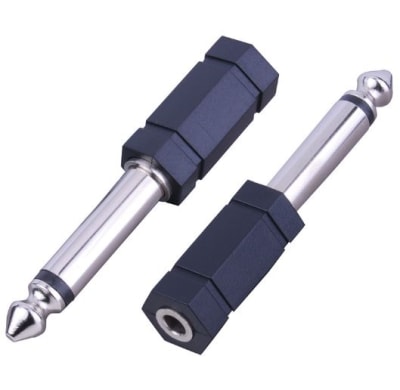
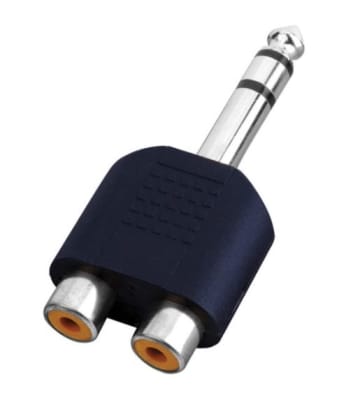
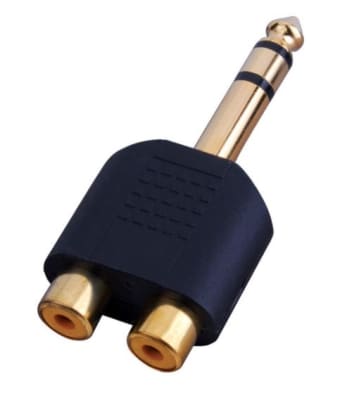
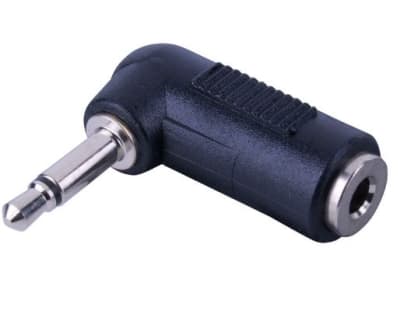
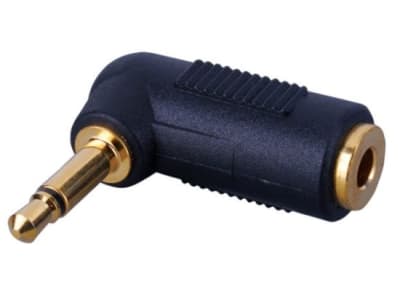
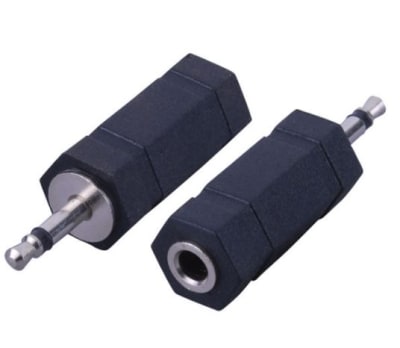
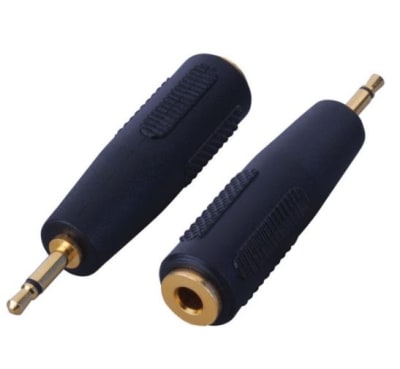
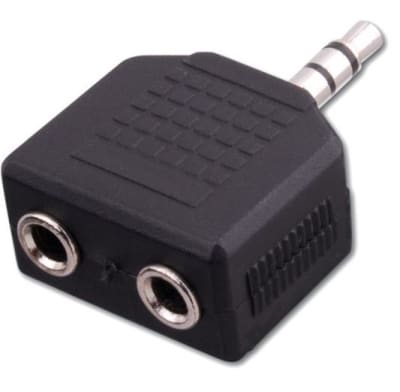
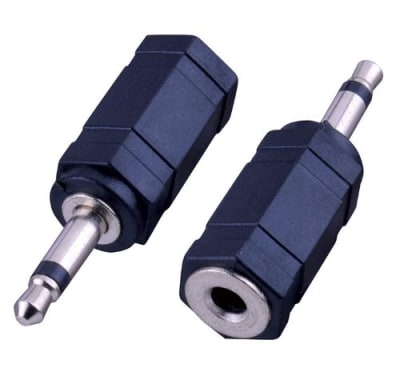
Common adapters convert 3.5mm plugs to 1/4-inch jacks, 1/4-inch plugs to 3.5mm jacks, or provide male/female gender changes. These are mechanical and conductive transitions. They work best when both devices already use electrically compatible analog audio and only the connector size differs.
A TRS-to-TRS adapter may carry stereo or balanced mono depending on the equipment. A mono TS adapter used in a stereo path can short or omit a channel, while an adapter that ties contacts together may be inappropriate for a balanced output. Check the contact count and intended signal, not just connector diameter.
TRRS headset connections combine headphones and microphone on one plug and may use device-specific wiring. A simple 3.5mm-to-1/4-inch stereo adapter generally handles headphone audio only; it does not necessarily preserve microphone or control functions. Breakout adapters designed for the correct headset standard are needed when those functions matter.
Right-angle adapters reduce cable protrusion but add leverage if a heavy cable hangs from them. Inline couplers and extension adapters are convenient for service and temporary setups, though every extra connection is another potential wear point. In permanent installations, use a properly terminated cable whenever practical.
An adapter cannot convert line level to microphone level, balance an unbalanced signal, provide isolation, sum stereo correctly, or change analog audio into USB/digital audio unless active circuitry is included. When hum, level mismatch or signal-format differences are involved, use the appropriate transformer, DI box, interface or converter rather than stacking passive adapters.
Before choosing an audio adapter, write down the contact arrangement on both sides: TS, TRS or TRRS, plus the expected signal function. If one side is balanced and the other unbalanced, or if a headset microphone must be preserved, a simple mechanical adapter may not provide the intended result. Keep adapters light and compact when they plug directly into portable equipment so they do not overstress the jack.
This category is for connector transitions rather than field terminations. Damaged 3.5mm or 1/4-inch cable ends are better repaired with the appropriate plug, while worn equipment connections require a replacement jack. Adapters are most useful when two healthy, electrically compatible interfaces simply use different physical sizes or genders.
Adapters are best for intentional interface changes. If the cable already has damaged conductors, loose strain relief or intermittent molded ends, adding an adapter will not solve the underlying failure. Replacing or reterminating the cable usually gives a cleaner, more reliable result and reduces the number of mechanical joints in the signal path.
Usually yes when both sides carry compatible stereo headphone audio and the contact arrangement matches.
No. A passive size adapter changes the connector, not the underlying circuit topology.
Only if the microphone wiring and equipment input are compatible. Connector shape alone is not enough to determine that.
Wallco can help narrow connector family, gender, contact count, termination, cable fit and application requirements. For replacements, provide the equipment manufacturer/model, clear photos of the mating face and side profile, and any dimensions or pinout information available.