
Shop low-temperature-rise transformers designed to operate with a lower winding temperature increase than standard transformer designs at rated load. Reduced temperature rise can support longer insulation life, lower operating temperatures and improved performance in demanding electrical installations.
Compare transformers by temperature-rise rating, input voltage, output voltage, phase, kVA capacity, insulation system and enclosure construction. Selection should account for load requirements, ambient temperature and installation conditions.
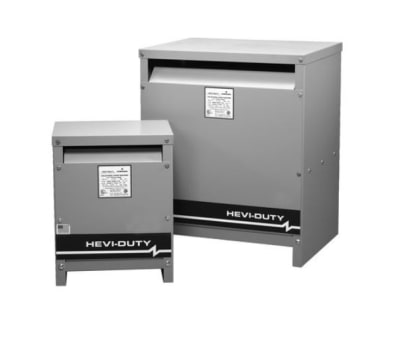
Transformer temperature rise describes the increase in winding temperature above the surrounding ambient temperature when the transformer operates under specified conditions. Lower-temperature-rise designs are intended to limit that increase compared with conventional transformer designs.
Lower operating temperature can be desirable where equipment life, thermal margin or demanding ambient conditions are important. The transformer must still be properly sized and installed according to its electrical and environmental ratings.
Temperature-rise rating and insulation class describe different aspects of transformer thermal performance. The temperature rise describes how much the transformer windings increase above ambient under specified conditions, while the insulation system establishes allowable thermal limits. Both should be considered when comparing replacement transformers.