
Plug-in surge protectors and power strips expand branch-circuit receptacle capacity at the point of use, but they are not all equivalent. A basic power strip primarily provides additional outlets, while a surge-protective strip adds circuitry intended to limit transient overvoltage before it reaches connected electronics. Choosing the right device requires looking at protection, electrical rating, outlet layout and the equipment being powered.
First determine whether the application needs simple outlet expansion or actual surge protection. Then verify voltage, current/amp rating, plug configuration, cord length, receptacle count, spacing, surge rating and any required indicator, breaker, USB or mounting features.

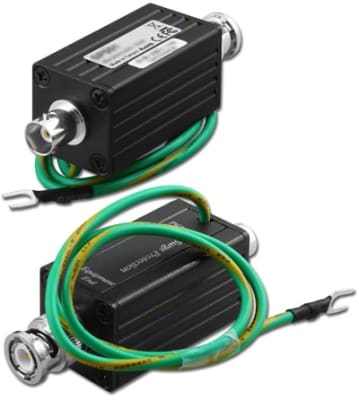
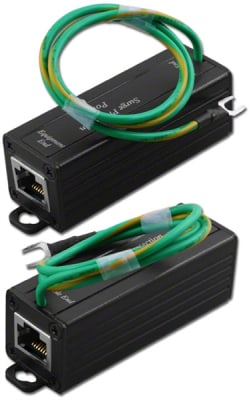
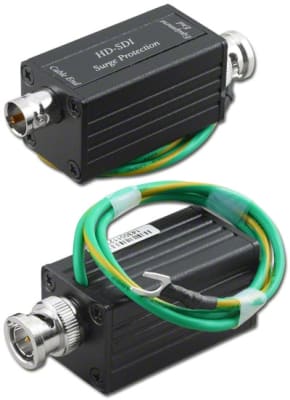


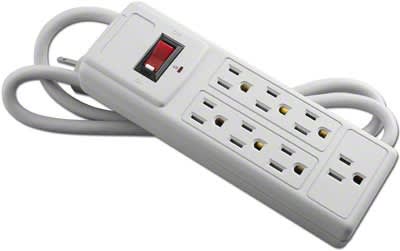


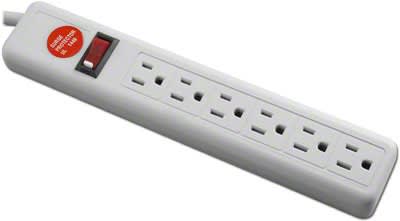

A power strip can contain a switch or circuit breaker without providing meaningful surge suppression. If transient protection is required, select a product specifically identified as a surge protective device rather than assuming every multi-outlet strip provides protection.
Point-of-use surge protectors are commonly compared by clamping or voltage-protection characteristics, surge-current capability and energy ratings. These numbers should be considered together with the application and upstream protection. Surge protectors are sacrificial devices and may degrade after repeated or severe events.
Do not treat a power strip as a way to increase the capacity of the branch circuit. Connected loads remain limited by the strip, plug, receptacle and branch-circuit ratings. High-current heating appliances, motors and other loads may be unsuitable for common office-style strips unless the product is specifically rated for that use.
Transformer-style power supplies can block adjacent receptacles, so outlet spacing matters. Cord length should reach the source without creating excess coiled cable or trip hazards. Right-angle plugs, mounting slots and rack or bench formats may be useful in equipment-dense applications.
Many surge strips include status lights showing power, ground or protection condition, and some include resettable breakers. Indicator behavior varies by design; replacement should be considered when the manufacturer indicates protection has been exhausted or the device shows damage.
For computers, displays, network equipment and AV systems, consider both power protection and cable pathways. Voltage surges can also enter through data, coax or communications lines. Sensitive systems may need coordinated protection beyond the AC receptacle strip.
A plug-in surge protector is the last point in a layered protection strategy, not a substitute for proper building wiring or upstream surge protection. Facilities with sensitive controls, network gear or AV systems may combine service-entrance or panel-level surge protection with point-of-use devices. The point-of-use strip protects equipment locally and can also provide a convenient disconnect, but grounding quality and upstream events still influence performance.
For office and electronics loads, compare number and orientation of outlets, maximum load, cord gauge and length, surge-protection status indication, resettable overload protection, mounting features and warranty terms. For bench or rack-adjacent use, consider metal housings and widely spaced receptacles. Avoid daisy-chaining strips or using extension arrangements not permitted by the manufacturer, and replace devices that show heat damage, broken receptacles or loss of protection indication.
For a replacement or new installation, send Wallco the equipment model, system type, electrical or network requirements, installation environment and any compatibility constraints. The more application detail provided, the easier it is to narrow the correct product family and avoid a physically similar but incompatible part.
