
Shop network media converters for connecting Ethernet and fiber infrastructure across different physical media and network interfaces. Wallco offers copper-to-fiber, fiber-to-fiber and other media-conversion solutions for commercial, industrial and communications networks.
Compare media converters by network speed, copper and fiber interface, fiber type, connector configuration, transmission distance and installation requirements. Select a converter that is compatible with the equipment and cabling at both ends of the network link.


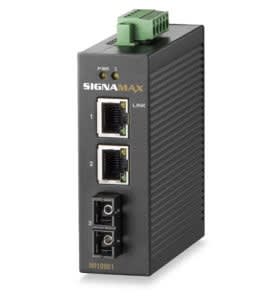


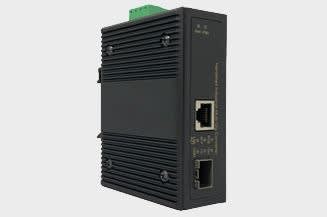
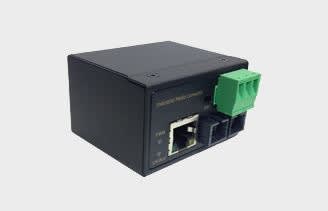

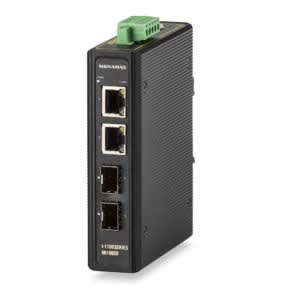

Network media converters allow communications to pass between different physical network media. One of the most common applications is converting an RJ45 copper Ethernet connection to fiber optic cabling, allowing equipment with conventional copper interfaces to communicate across an optical network link.
Media converters can also be used between different fiber interfaces or in specialized industrial network applications. Selecting the correct converter requires matching the network speed, media type and interfaces at both ends of the connection.
A media converter should be selected around the complete network link. The interfaces on both sides, transmission speed, fiber type and required distance should all be compatible.
Copper-to-fiber conversion is commonly used when Ethernet equipment with an RJ45 interface must connect to a fiber backbone or a network segment that extends beyond the practical distance of conventional copper Ethernet cabling.
The converter provides the physical transition between the two media types, but the overall network must still use compatible Ethernet speeds and optical specifications.
When removable transceiver modules are involved, the converter, transceiver and fiber cabling should be evaluated together. Fiber mode, optical wavelength, connector style and supported distance all affect the completed link.
Some network applications require conversion between optical interfaces rather than between copper and fiber. Fiber-to-fiber converters may be used where compatible optical systems need to be interconnected across different fiber interfaces or network requirements.
Because both sides are optical, verify the specifications at each interface carefully. Connector appearance by itself does not establish optical compatibility.
Managed media-conversion systems can provide additional network visibility or control compared with basic standalone converters. Available management functions vary by product and should be reviewed against the requirements of the installation.
Managed conversion may be useful in larger networks, centralized telecommunications environments or applications where network administrators need additional information about remote links and converter operation.
Where multiple media converters are installed in the same equipment room, a chassis or centralized mounting system can provide a more organized installation than a collection of individual standalone units.
Chassis systems may provide physical mounting and centralized power for compatible converter modules. Compatibility between converter modules and the chassis should always be verified before ordering.
Industrial networking applications may require media converters installed near machines, controllers or other automation equipment. These environments can have different requirements for mounting, power input and operating conditions than conventional office-network installations.
For industrial applications, review the specified environmental ratings, mounting method, power requirements and network interfaces of the converter before selection.
Network media converters may be used in applications including:
Before selecting a media converter, document the network interface on each side of the connection. Confirm the Ethernet speed, copper interface, fiber type, optical connector and required transmission distance.
For links that use removable optical transceivers, verify the transceiver specifications as part of the selection process. The converter, transceiver, fiber patch cords and permanent fiber cabling should function as a compatible system.