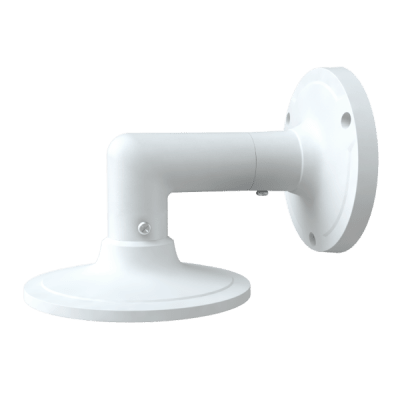
Surveillance accessories complete the physical, electrical and signal path around cameras and recorders. Mounts, lenses, baluns, power supplies, housings, junction boxes, adapters and related hardware can determine whether a camera is correctly aimed, protected, powered and connected. Accessory selection should be tied to the exact camera and installation environment.
Identify the camera model and system technology first, then match accessories by mechanical fit, electrical rating, signal format, environment and mounting surface. Model-specific accessories are often preferable where sealing, load support or alignment matters.
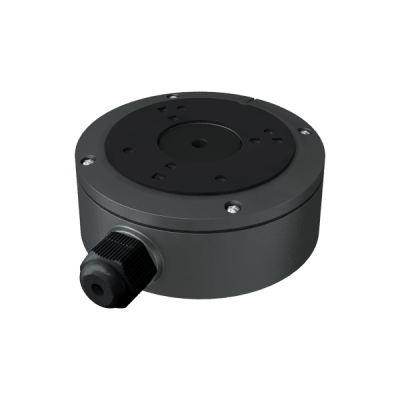
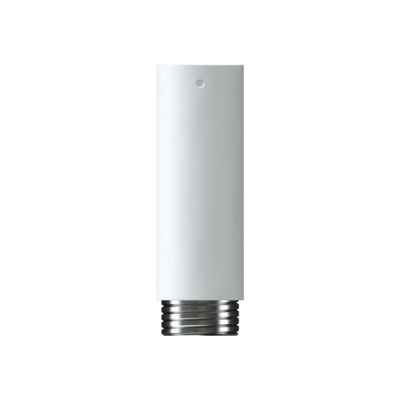
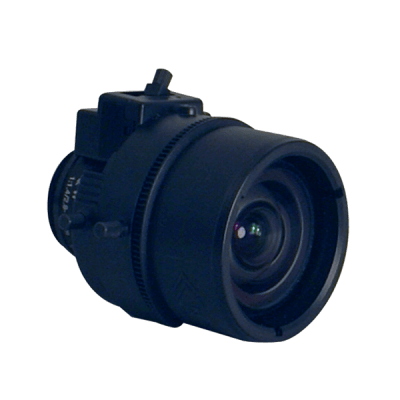
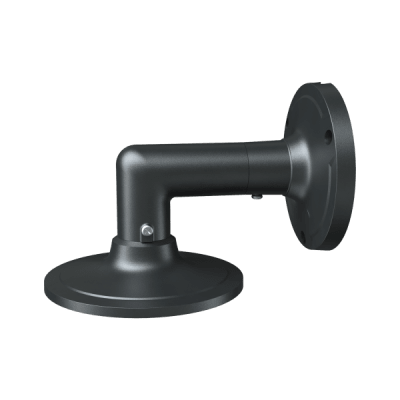
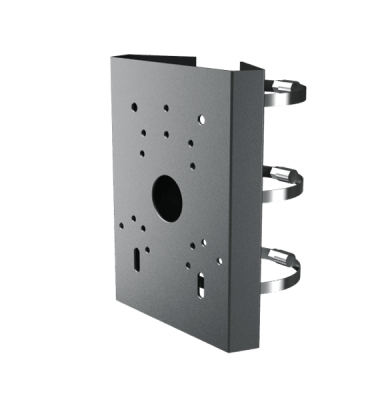
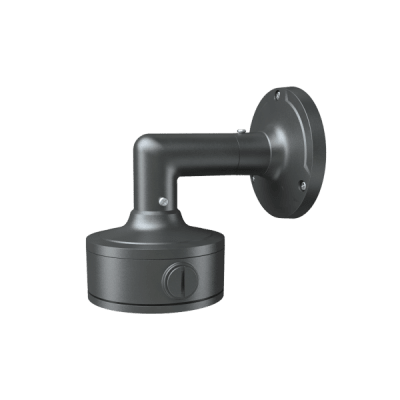
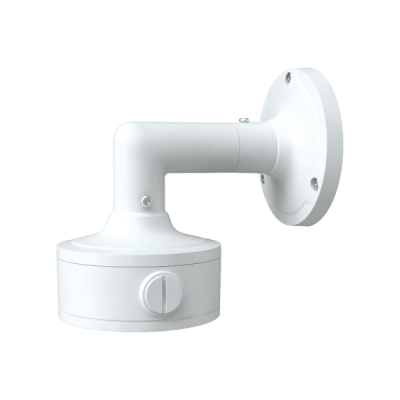
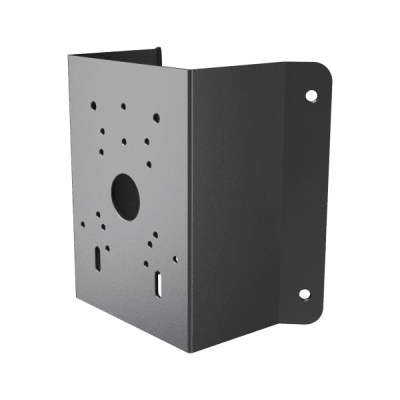
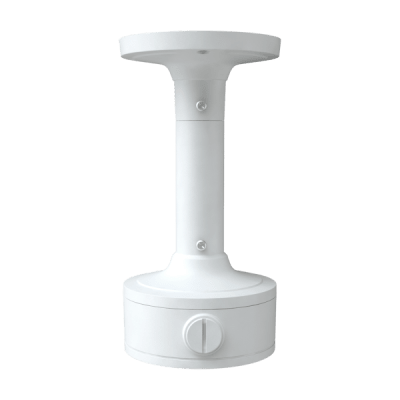
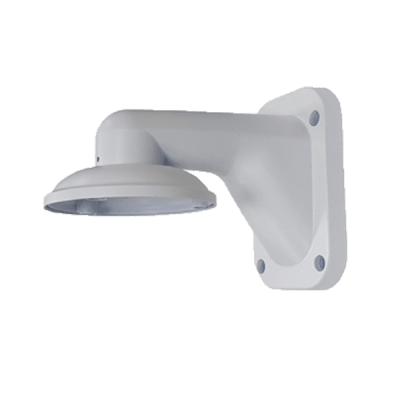
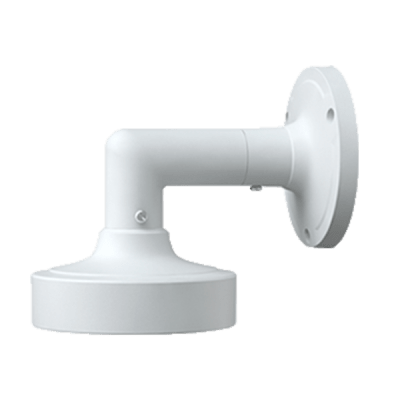
Wall, ceiling, pole, corner and pendant mounts solve different installation geometries. Verify load rating, hole pattern, conduit entry and weather sealing. Junction boxes can provide protected termination space and simplify service.
Cameras with replaceable lenses require the correct mount, sensor coverage, focal length and aperture behavior. Lens choice changes field of view and target detail, so it should be based on the scene rather than selected as a generic accessory.
Baluns and transceivers can carry analog video over twisted pair or adapt one transmission medium to another. Match the accessory to video format, distance and whether the device is passive or powered. Do not assume a balun for legacy composite video supports every HD analog format.
Centralized power supplies, plug-in adapters and PoE components must supply the required voltage and current with adequate margin. Long DC runs can suffer voltage drop; outdoor and remote cameras may also need surge protection and grounding consideration.
Housings, sunshields, heaters, glands and weatherproof boxes protect equipment from moisture, temperature and physical exposure. Check environmental ratings for the complete assembled system, because an outdoor camera can lose protection if an incompatible mount or cable entry is used.
Standardizing mounts, junction boxes and power architecture can make future camera replacements easier. Keep documentation of camera models and accessories so a failed device can be replaced without rediscovering mechanical dimensions and wiring in the field.
A useful method is to create an accessory schedule for each camera location: camera, mount, junction box, lens if applicable, power method, surge protection and any transmission adapters. This prevents missing one small interface component that can stop installation. It also makes repeated sites easier to standardize and service.
Generic accessories can be practical for simple items such as standard BNC adapters or power connectors, but mechanical and environmental parts deserve more caution. A camera mount or housing that looks compatible may compromise sealing, block the field of view or fail to support the load. Use manufacturer-approved accessories where the camera’s warranty, rating or mechanical interface depends on them.
For a replacement or new installation, send Wallco the equipment model, system type, electrical or network requirements, installation environment and any compatibility constraints. The more application detail provided, the easier it is to narrow the correct product family and avoid a physically similar but incompatible part.