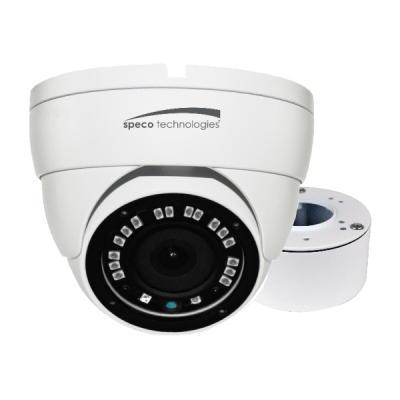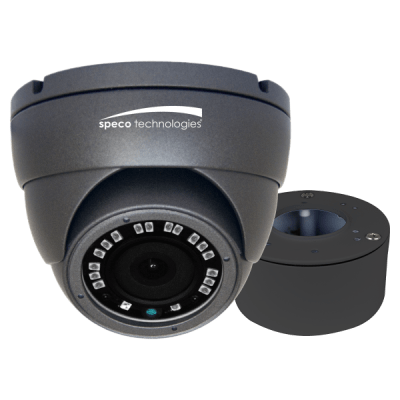
Surveillance cameras capture the images that determine whether a video system is actually useful. Camera selection should be based on scene geometry, target detail, lighting, environment and recording platform rather than on megapixels alone. Indoor/outdoor construction, lens format, low-light behavior, mounting style and power method all affect the final result.
Start with the scene and required detail, then choose IP or analog architecture, resolution, lens/field of view, low-light or IR capability, environmental rating, form factor, power method and recorder compatibility.

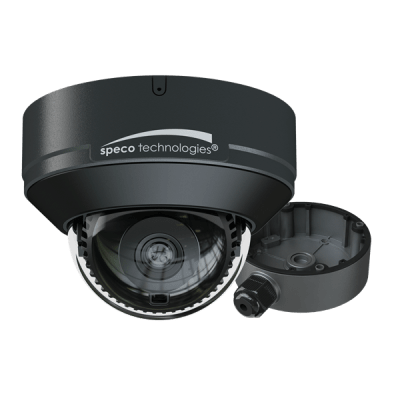
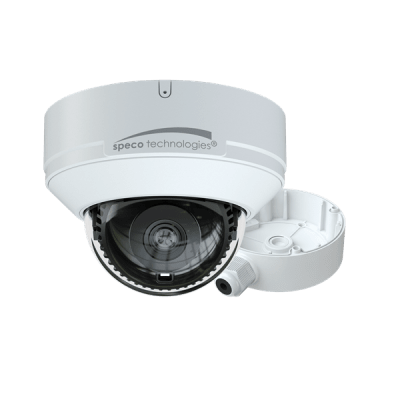
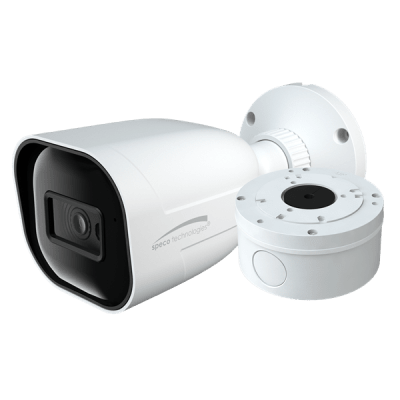
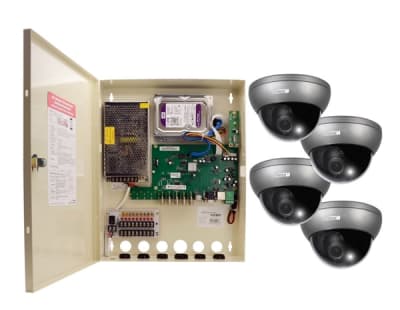
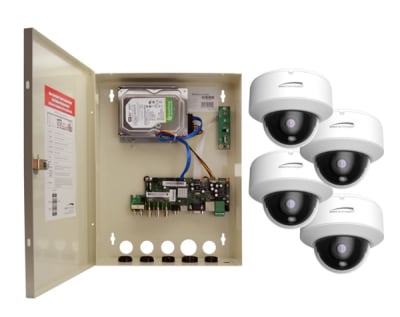


Bullet cameras are easy to aim and visually obvious; domes can be discreet and tamper-resistant; turrets reduce some dome-cover reflection issues and allow flexible aiming. PTZ, panoramic and specialty cameras serve applications where fixed views are not enough.
A fixed lens provides a predetermined field of view. A varifocal lens lets the installer adjust viewing angle and target size, which is useful when the exact mounting distance is unknown. Motorized zoom can simplify commissioning, but optical range should still be matched to the scene.
IR illumination can provide monochrome images in darkness, but useful range depends on target reflectivity, angle and scene geometry. Strong backlight, headlights or reflective surfaces may require wide-dynamic-range features. Review real low-light specifications and sample imagery when the scene is critical.
Outdoor cameras need appropriate weather protection, and exposed public areas may benefit from impact-resistant housings. Temperature limits, heater/blower options, corrosion exposure, conduit entry and mounting surface should be considered before installation.
Resolution is distributed across the camera’s field of view. Narrowing the view can increase useful target detail without changing the sensor. For identification tasks, design around the target width and distance instead of assuming a broad overview camera will also capture fine facial or plate detail.
Verify video format, codec, resolution, frame rate, audio, analytics and control features against the recorder or VMS. For IP cameras, confirm network and PoE requirements and, when relevant, documented ONVIF conformance rather than relying on generic “ONVIF compatible†wording.
Fixed overview cameras are used for corridors, lobbies, production areas and general perimeter coverage; varifocal cameras help tune entrances, loading docks and gates; PTZ cameras support active monitoring of large areas; panoramic devices reduce blind spots in open spaces. The camera form should be selected from the operational need rather than from appearance alone.
Mounting too high can make faces appear as the tops of heads and can make maintenance difficult, while mounting too low can increase tampering risk. Outdoor cameras need service access for cleaning lenses or domes, checking seals and adjusting aim. Consider how the device will be reached and whether ladders, lifts or traffic control will be required for routine work.
Useful image quality depends on the entire optical and processing chain. Sensor size, lens quality, shutter speed, gain, dynamic range, compression and illumination all influence whether moving subjects are sharp and recognizable. In low light, a camera may increase exposure time and produce motion blur even though a stationary test image looks bright. For entrances, loading areas and vehicle lanes, verify performance with realistic motion and contrast rather than relying only on a static daytime demo.
For a replacement or new installation, send Wallco the equipment model, system type, electrical or network requirements, installation environment and any compatibility constraints. The more application detail provided, the easier it is to narrow the correct product family and avoid a physically similar but incompatible part.