
HDMI over IP systems convert HDMI audio/video into network traffic so sources can be distributed to displays over structured Ethernet infrastructure. Compared with a dedicated point-to-point extender, AV-over-IP can scale from one source and one display to matrix-style systems with many transmitters and receivers.
System design depends on resolution, frame rate, chroma sampling, compression, latency, HDCP, network bandwidth, switch features, multicast configuration, control method and the number of endpoints. Interoperability is usually platform-specific, so encoders and decoders should be selected as a complete system.
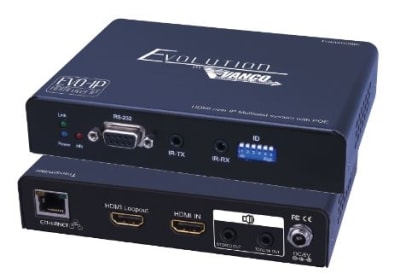
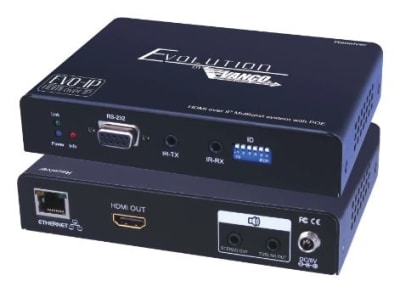
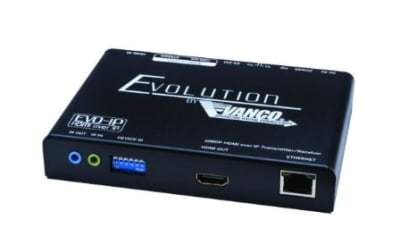
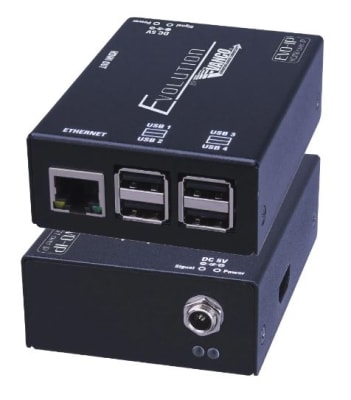
An encoder or transmitter accepts HDMI from the source and packetizes the signal for the network. A decoder or receiver reconstructs HDMI at the display. Depending on the platform, one encoder may feed one decoder, many decoders, or a selectable matrix of endpoints using multicast.
The Ethernet switch becomes part of the AV system. Port speed, backplane capacity, PoE support, IGMP snooping and multicast behavior can directly affect stability.
Uncompressed or lightly compressed video requires very high bandwidth, while visually lossless and compressed systems reduce network load. Compression ratio affects image quality and latency. For interactive control rooms, live production or gaming, low latency may be critical; for signage or general presentation, modest latency may be acceptable.
Do not assume all “4K†systems carry the same signal. Check resolution, refresh rate, bit depth, chroma and HDR support.
Protected content requires compatible HDCP handling from source through encoder, network system, decoder and display. EDID management tells the source what video and audio formats the destination can accept. In matrix environments with different displays, EDID strategy becomes especially important to prevent sources from negotiating an unusable format.
Dedicated AV networks are simple to manage, but converged enterprise networks can also work when designed correctly. VLANs, multicast boundaries, quality of service and switch configuration should follow the AV-over-IP platform requirements. Avoid assuming an unmanaged switch will handle a large multicast system reliably.
Copper Ethernet run length, fiber uplinks and switch-to-switch trunks should be planned around bandwidth and distance.
HDMI over IP is used in digital signage, classrooms, conference centers, command rooms, hospitality, houses of worship, sports venues and multi-display commercial installations. Its strength is scalability: endpoints can often be added without installing a new home-run HDMI cable to every source/display combination.
For a faster and more accurate selection, confirm the following application details before comparing part numbers:
HDMI over IP differs from a point-to-point HDMI extender. Point-to-point systems dedicate a link to one source/display path, while AV-over-IP uses network switching and can support flexible many-to-many routing.
Possibly, but bandwidth, multicast support, VLAN design and switch configuration must meet the system requirements.
Usually not. Most systems use proprietary protocols or management layers even though they run over Ethernet.
Gigabit or faster ports, adequate switching capacity and properly configured multicast features such as IGMP snooping are common requirements.