
Shop SFP and optical transceiver modules for adding compatible fiber and network interfaces to Ethernet switches, media converters and other network equipment. Wallco offers modular network interfaces for commercial, industrial and communications infrastructure.
Compare transceivers by network speed, fiber type, wavelength, connector format and supported transmission distance. Always verify compatibility with both the host network equipment and the fiber link before selecting a module.

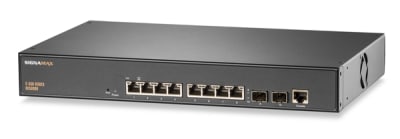

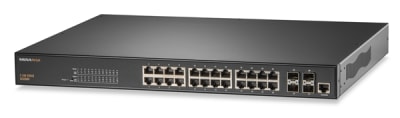
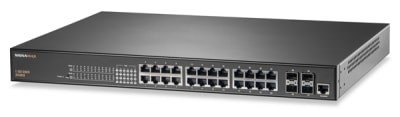


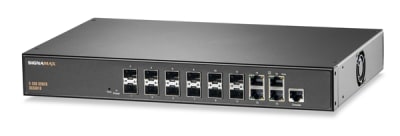


SFP and other optical transceiver modules provide removable network interfaces for compatible Ethernet switches, media converters and communications equipment. Instead of permanently building a specific optical interface into the network device, a modular transceiver slot can allow the interface to be selected according to the requirements of the network link.
This flexibility makes transceiver modules useful when switches or converters need to support different fiber types, optical distances or network configurations. However, the transceiver must be compatible with both the host device and the optical link.
An SFP module is a compact removable network transceiver designed for compatible equipment with an SFP interface. Depending on the module, it may provide a fiber optic connection or another supported network interface.
The physical SFP form factor alone does not guarantee that a module will work with a particular switch or converter. Host-device compatibility, network speed and optical specifications should all be checked before installation.
Several specifications work together to determine whether a transceiver is appropriate for a network link.
Optical transceivers are designed around particular fiber systems. Single-mode and multimode modules should be selected to match the cabling installed throughout the network link.
Two modules may use the same connector format and still be incompatible because they are designed for different fiber types, wavelengths, speeds or transmission distances.
When replacing an existing transceiver, compare the complete specifications of the original module rather than relying only on its physical dimensions.
Optical wavelength and supported link distance are important transceiver specifications. The module at each end of a conventional optical connection must be appropriate for the same network link.
A transceiver intended for a short multimode connection may not be appropriate for a longer single-mode link even if both modules fit into the same type of SFP slot.
Review the actual link distance and installed fiber before choosing an optical module.
Ethernet switches may provide SFP slots for optical uplinks or other modular network connections. This can allow local equipment to connect through copper Ethernet ports while the switch connects to another network location over fiber.
Before adding a module to a switch, verify the supported interface type and data rate. The network switch documentation and transceiver specifications should be reviewed together.
Some media converters use removable transceivers instead of a fixed optical interface. This allows the same converter platform to support different fiber connections by installing an appropriate compatible module.
In these applications, compatibility involves three primary components: the media converter, the SFP or optical transceiver, and the fiber link. All three need to support the intended network speed and optical configuration.
The fiber patch cord connected to the transceiver must match the module's optical interface. Connector configuration, fiber mode and fiber count should be considered when selecting the patch cord.
Where the transceiver uses a duplex optical connection, the transmit and receive paths should also be routed correctly between the two ends of the link.
SFP and optical transceiver modules may be used in applications including:
Transceiver selection should always consider the complete optical link. Before ordering, verify the host equipment, supported network speed, fiber type, wavelength, connector interface and required transmission distance.
If you are replacing an existing module, record the specifications of both transceivers and the installed fiber before choosing the replacement. Matching the physical SFP form factor alone is not sufficient.
