
Shop connectors for printed circuit boards, ribbon cable, wire harnesses and electronic assemblies. Wallco offers PCB headers, sockets, IDC connectors, pin-and-socket systems, crimp contacts, connector housings and related board-level interconnect components.
Compare products by contact count, pitch, wire range, mounting orientation, termination method and mating connector family.


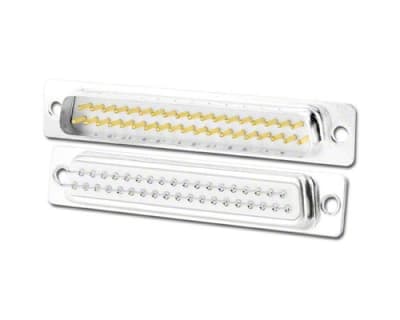

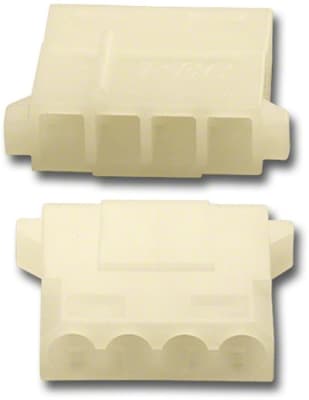
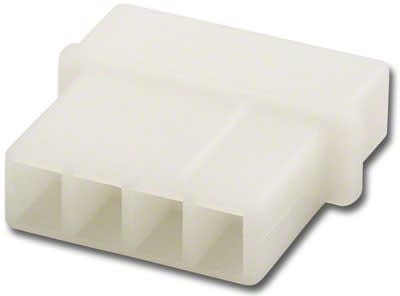
PCB and wire-to-board connectors create electrical interfaces between printed circuit boards, ribbon cable, discrete wiring and removable electronic assemblies. These connector systems are widely used in industrial electronics, computers, communications equipment, instrumentation and custom electronic products.
PCB headers provide rows of pins or contacts mounted directly to a printed circuit board. Headers may be supplied in straight, right-angle, single-row, dual-row and other configurations depending on the connector family.
Socket and receptacle products mate with compatible headers or pins to create removable board-level connections. Pitch, row count, contact count and mounting orientation must match the associated header system.
Insulation-displacement connectors terminate compatible conductors by forcing the wire into a contact slot without conventional stripping and soldering. IDC technology is commonly used with flat ribbon cable and multi-conductor wiring.
Ribbon-cable connector systems can provide compact multi-conductor connections between circuit boards and equipment assemblies. Connector position count and cable conductor spacing should be matched carefully.
Many wire-to-board systems combine separate crimp contacts with plastic connector housings. The individual contact must match the wire gauge, housing series and mating header.
Pin and socket contacts provide the conductive portion of many modular connector systems. Contact plating, wire range and contact gender are important selection factors.
Some electronic assemblies connect directly to exposed PCB contacts or use dedicated board-to-board connector systems. Products should be selected according to pitch, contact arrangement and mechanical dimensions.
Headers, sockets, contacts and housings from different connector families may have similar dimensions while remaining incompatible. Whenever possible, match components by connector series and manufacturer specifications.