
Shop fiber optic connectors and pigtails for terminating, splicing and connecting optical network cabling. Wallco offers fiber termination components for network, telecommunications, commercial and industrial fiber installations.
Compare products by fiber type, connector style, fiber count and termination method. Verify compatibility with the installed cable, adapters, panels and optical network equipment before selecting fiber termination components.


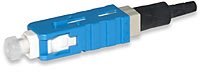
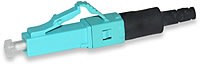
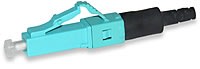
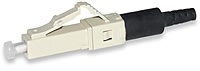

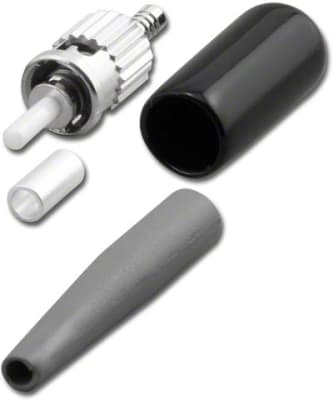
Fiber connectors and pigtails are used to create the termination points that allow permanent optical cabling to connect to patch panels, adapters and network equipment. Depending on the installation method, a fiber may be terminated directly with a connector or spliced to a factory-terminated pigtail.
Choosing the correct termination component requires matching the fiber type, connector interface and installation method used throughout the system. Connector appearance alone does not establish compatibility with an optical network.
Fiber optic connectors provide a removable optical interface at the end of a fiber. They allow the terminated fiber to connect to compatible adapters, patch panels, equipment ports and other fiber components.
Connector styles commonly encountered in network infrastructure can include:
A fiber pigtail typically consists of a length of optical fiber with a factory-terminated connector on one end and an unterminated fiber end on the other. The unterminated end can be spliced to permanent fiber cabling, leaving a finished connector for installation into an adapter or patch panel.
Pigtails are commonly used in fiber enclosures where permanent incoming fibers are spliced to terminated fibers and then connected to adapter panels. This approach keeps the splice protected inside the enclosure while providing accessible connector ports for patching.
Pigtails may be available individually or in multi-fiber configurations intended for higher-density termination projects.
Pre-polished fiber connectors are designed to provide a prepared connector interface for compatible field-termination systems. Depending on the product, they can reduce the amount of polishing work required during installation compared with traditional field-polished connector methods.
The connector must still be installed correctly according to the manufacturer's procedure. Cable preparation, fiber cleaving, insertion and mechanical retention can all affect the quality of the finished optical connection.
Before selecting a pre-polished connector, verify supported fiber type, cable construction and any specialized installation tools required by the connector system.
Fiber pigtails are frequently used with splice trays inside rack-mount or wall-mount fiber enclosures. Incoming permanent fibers are spliced to the pigtails, and the terminated pigtail connectors are then installed into adapters at the front or interior of the enclosure.
This creates an organized transition between permanent cabling and removable fiber patch cords. The splice trays help protect and organize the completed splices while the enclosure provides cable routing and termination management.
The number of pigtails, adapters and splice positions should be planned together so the enclosure has sufficient capacity for the installation.
The fiber connector or pigtail should match the fiber mode of the permanent cabling. Single-mode and multimode fibers are designed for different optical systems and should not be substituted solely because they share the same connector format.
Multimode networks may also use different fiber classifications. When replacing or expanding an existing system, review the fiber designation of the installed cable and patch cords so the new termination components remain consistent with the infrastructure.
Fiber connector end faces should be kept clean and protected during installation. Contamination can introduce optical loss or connection problems that may be difficult to diagnose after the system is assembled.
Use appropriate fiber inspection and cleaning procedures when terminating or connecting fibers. Protective caps should remain installed until the component is ready to be used, and exposed fiber interfaces should be handled carefully.
Fiber connectors and pigtails may be used in applications including:
Fiber termination components should be selected together with the enclosure, adapters, splice trays and patch cords used in the installation. Before ordering, determine the fiber mode, connector style, number of fibers and intended termination method.
For existing systems, compare the installed cable and connector specifications with the replacement components rather than relying only on connector appearance.
