
DVR and hybrid surveillance recorders provide centralized recording for coax-based cameras and, in many models, selected IP cameras. They are especially useful in retrofit projects where existing analog cabling remains serviceable but the site needs higher resolution, more storage or a gradual path toward network cameras.
Confirm the camera signaling formats and resolutions the recorder accepts, then compare BNC channel count, available IP channels, encoding resolution, storage, network throughput, audio, display outputs and remote-access features.


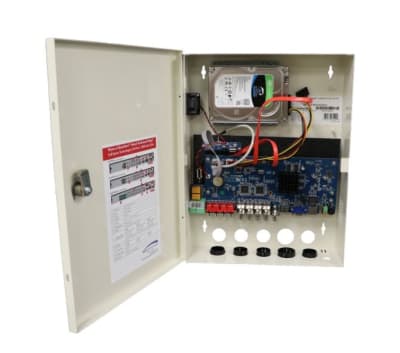
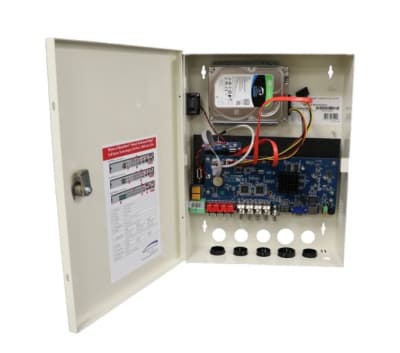
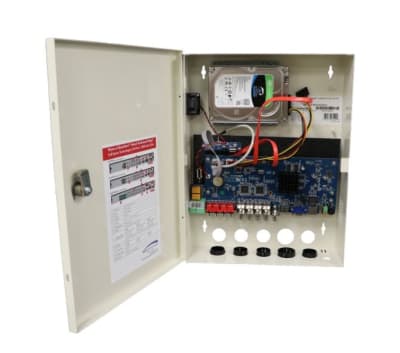
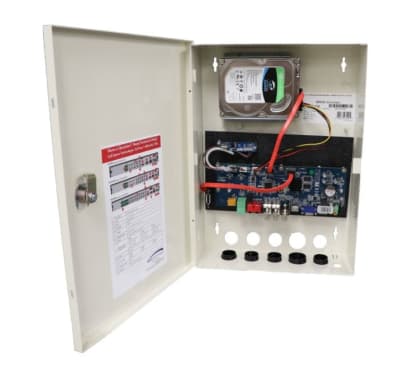
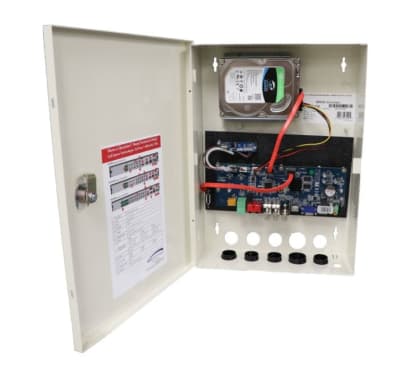
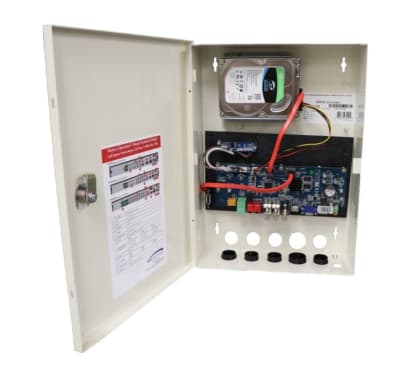
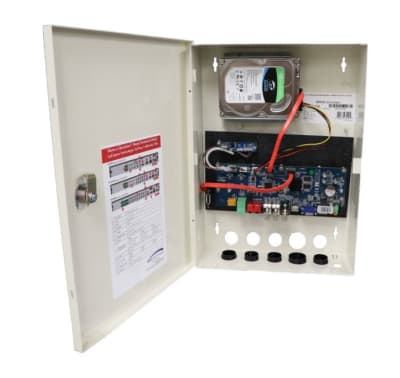
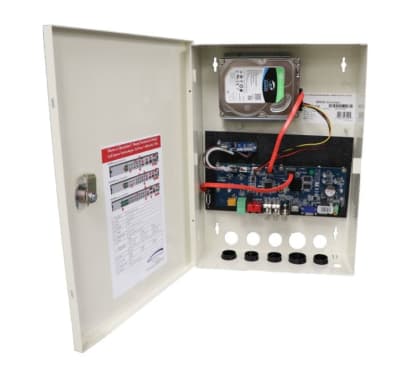
Traditional DVRs encode analog camera signals at the recorder. Modern hybrid units may accept CVBS plus HD-TVI, HDCVI, AHD and one or more IP streams. This flexibility is valuable when replacing cameras in stages rather than all at once.
Not every recorder supports every camera resolution at full frame rate on every channel. Check the recording specification—not only the monitor output resolution—and verify simultaneous channel limitations.
Coax reuse can reduce labor, but the cable plant should be tested. Damaged cable, poor connectors, incorrect impedance and ground-loop issues can limit high-definition performance. New cameras do not correct deficiencies in existing infrastructure.
Hybrid recorders often allow a limited number of IP channels, sometimes by converting unused analog channels. Review how enabling IP affects total channel count and bandwidth. Confirm PoE switching separately if the recorder does not provide it.
Determine the desired retention period and evidence-export workflow. Recorder drive capacity, codec, bitrate and motion schedule affect days of storage. For investigations, easy export to common media and formats can be as important as nominal capacity.
For an existing site, document each camera’s format, resolution, power type and cable route before selecting a recorder. A hybrid platform should solve the current mix while leaving enough capability for the site’s expected migration path.
Hybrid recorders are useful when a site has a mixture of legacy analog cameras, newer HD-over-coax cameras and a few IP cameras in areas where new Ethernet was practical. They allow capital spending to be phased while preserving usable cable. This can be especially attractive in finished buildings where opening ceilings or walls for new cabling is disruptive.
Document the signaling mode of every existing camera and the actual resolution in use. Some multi-format recorders support a wide range of technologies but impose channel-specific resolution or frame-rate limits. Also confirm PTZ control, audio and UTC/coax-control features when those are required. The safest replacement is based on the recorder compatibility matrix, not on BNC connectors alone.
For a replacement or new installation, send Wallco the equipment model, system type, electrical or network requirements, installation environment and any compatibility constraints. The more application detail provided, the easier it is to narrow the correct product family and avoid a physically similar but incompatible part.
