
Audio cable assemblies combine the appropriate audio cable with factory-installed connectors so equipment can be interconnected without field termination. They are used between microphones, mixers, amplifiers, processors, sources, speakers, wall plates and other audio components in commercial AV, studio, live-sound and general electronics applications.
The connector type is only the starting point. Signal format, balanced or unbalanced operation, shielding, cable length, conductor construction and the interfaces on the connected equipment determine whether an assembly is appropriate. Related subcategories include XLR and microphone cables, RCA audio cables, and 3.5 mm or 1/4-inch audio cables.
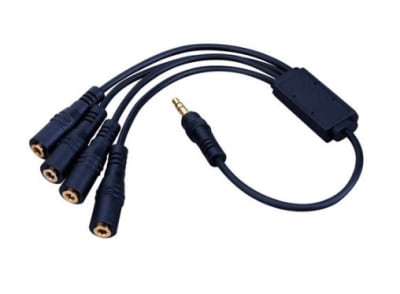




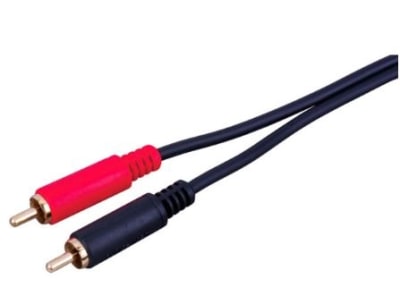
Balanced assemblies such as many XLR and TRS connections are preferred for professional low-level audio because compatible equipment can reject common-mode noise. Unbalanced assemblies such as many RCA and TS connections are typically used for shorter consumer or instrument-level links. Connector appearance alone does not guarantee the circuit is balanced.
XLR, RCA, 3.5 mm, 1/4-inch phone and other formats each serve different equipment families. Adapters can solve mechanical connection problems, but they do not automatically convert signal level, impedance or balanced/unbalanced topology. Confirm the electrical interface before using a cable merely because both connectors fit.
Longer analog runs increase exposure to noise and can add capacitance. Balanced interconnections are generally better suited to long low-level runs. Keep audio cables separated from AC power and noisy switching equipment where practical, and use properly shielded assemblies when routing through electrically active environments.
Portable stage and studio cables benefit from flexible jackets, durable connector strain relief and repeated handling capability. Permanent rack or wall-plate interconnects may prioritize compact routing and installation ratings. Choose an assembly designed for the physical use, not only the electrical connection.
Identify the source output, destination input, connector genders, balanced/unbalanced format and required length. Then consider shielding, flexibility and environmental needs. For troubleshooting hum or low signal level, verify the interface type and equipment grounding before assuming a different cable alone will correct the issue.
Use finished audio assemblies when standard connectors are present at both ends and field termination adds no value. Use bulk audio cable for permanent infrastructure, wall plates, custom harnesses or unusual connector combinations. In a complete AV system, both may be used: bulk cable for the installed pathway and short factory-terminated assemblies between rack equipment and patch points.
Before ordering audio cable assemblies, record the equipment interfaces at both ends, the required electrical or signal standard, cable length, installation environment and any existing part number or cable marking. For replacements, matching only the connector can be misleading; confirm the underlying signal type, impedance, conductor configuration, performance rating and environmental requirements. Providing those details helps Wallco narrow the correct product and avoid compatibility problems.
Cable performance is a system issue: the source, destination, connectors, cable construction, length and installation conditions all contribute to the result. A cable that physically fits is not automatically electrically compatible, and a higher advertised category or bandwidth does not correct a mismatched interface. When in doubt, start with the equipment manufacturer specifications and choose a cable assembly or bulk cable that explicitly supports those requirements.
Wallco can help compare cable construction, connectors, ratings and application requirements when you are selecting a new installation product or replacing an existing cable. If available, provide the connected equipment models, existing cable markings, required length and installation environment so the options can be narrowed accurately.