
Organize, support and protect installed cabling with cable management and routing accessories for commercial, industrial, AV, networking and low-voltage installations. This category includes reusable hook-and-loop straps, cable ties, J-hooks, split loom and related routing hardware used to keep conductors supported, separated and serviceable.
Use the product listings and selection guidance below to compare compatible products by the specifications that matter for the installation.


Cable management is more than making an installation look neat. Proper routing and support can protect cable geometry, reduce strain at connectors, prevent abrasion, maintain bend radius, simplify troubleshooting and make future moves, adds and changes significantly easier. Cable management and routing accessories provide the mechanical support and organization needed between the cable pathway, equipment rack, device location and final termination point.
This category is intended for general-purpose cable-routing products that can be used across multiple applications and manufacturers. Typical products include cable ties, reusable hook-and-loop straps, J-hooks and other cable supports, split-loom tubing and similar accessories. These products may be used with network cable, control cable, AV cable, coaxial cable, speaker wire, low-voltage conductors and other installed cabling where organized routing and protection are required.
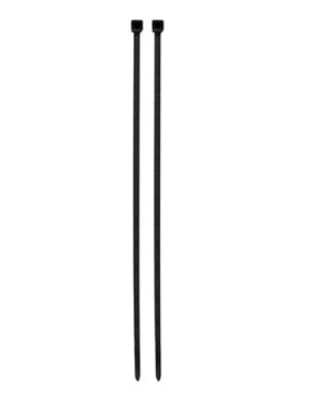
Cable ties are commonly used for bundling and securing conductors. Selection factors include overall length, bundle diameter, width, tensile strength, material and environmental suitability. Installers should avoid overtightening ties around data and fiber cabling because excessive compression can alter cable geometry or damage the jacket. Where frequent service or changes are expected, reusable fastening methods are often preferable.
Hook-and-loop straps are especially useful for structured cabling, patching and installations that may be modified later. They can be reopened without cutting the fastener and generally place less concentrated pressure on a cable bundle than a tightly cinched nylon tie. Strap width and length should be matched to the bundle size and the level of support required.
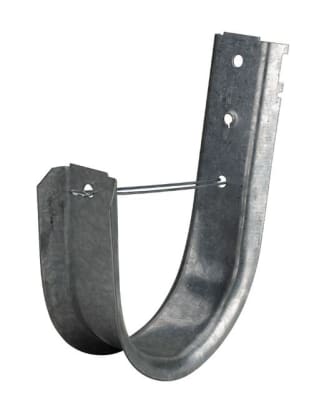
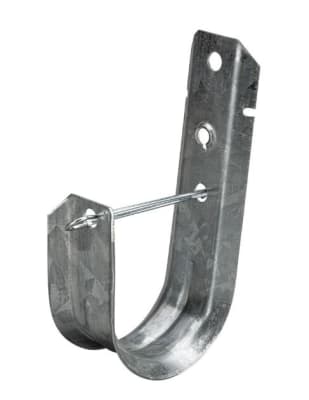
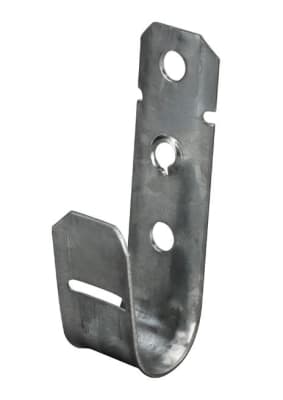
J-hooks and cable supports create an overhead or surface-mounted pathway without requiring a full cable tray. Important considerations include hook size, allowable cable fill, attachment method, spacing between supports and the requirements of the cable being installed. Data and communications cable should be supported frequently enough to prevent excessive sag while maintaining the manufacturer's bend-radius and pulling-tension requirements.
Split loom provides a flexible protective covering around wire and cable bundles. It is often used where cables may encounter abrasion, movement, equipment edges or exposed routing. Select the inside diameter based on the completed bundle rather than the diameter of a single conductor, and allow adequate room for installation without crushing or sharply bending the cable.
Good cable routing maintains separation from sharp edges, moving equipment, heat sources and sources of electrical interference when required by the system. Avoid using support hardware as a substitute for an approved raceway where a raceway is required. Do not exceed the rated capacity of a support, and follow applicable electrical, communications and building codes for cable support, pathway fill and firestopping.
For network and fiber installations, mechanical handling can directly affect performance. Over-compressing twisted-pair cable, creating tight bends or allowing large unsupported spans can degrade the installed channel. Fiber-optic cable requires particularly careful bend-radius control. Cable support products should guide and support the pathway rather than force the cable into a smaller radius than the cable manufacturer permits.
This category covers general routing and bundling accessories that can be used throughout an installation. Dedicated rack cable-management products such as horizontal rack managers, vertical managers and rack-specific organizers may also be found within Wallco's rack and cabinet categories. The distinction is based on shopping intent: a J-hook, tie or split-loom product is a general installation accessory, while a rack-mounted organizer is part of the rack-management system.
Should I use cable ties or hook-and-loop straps for network cable?
Both can be appropriate, but hook-and-loop is often preferred for structured cabling because it is reusable and less likely to compress the bundle when properly installed.
How do I size a J-hook?
Use the outside dimensions and quantity of the cable bundle, the hook's rated fill or capacity, required bend radius and the support-spacing requirements for the cable type.
What size split loom should I choose?
Measure the completed wire or cable bundle and select an inside diameter that allows the bundle to enter the loom without excessive compression. Allow additional room where connectors, branches or future conductors may be present.
Can these products be used with fiber?
Many can, provided the support does not violate the fiber cable's minimum bend radius or impose damaging compression. Always follow the fiber manufacturer's handling requirements.
Wallco organizes these accessories by functional product type rather than manufacturer-specific naming so installers can compare compatible solutions across brands and choose the appropriate support, bundling and protection method for the application.
