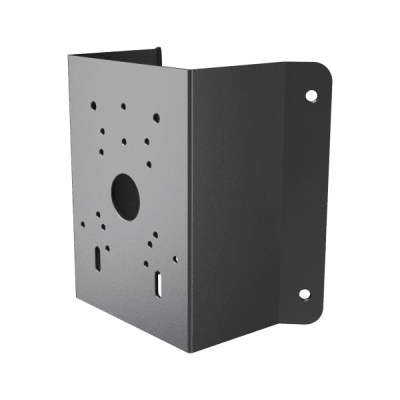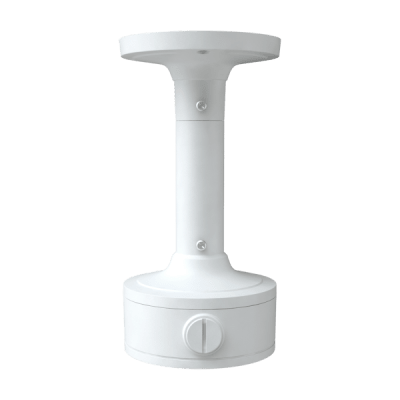
Video surveillance systems combine cameras, recording, networking, storage, power and viewing software to monitor facilities, document events and support operational or security objectives. A useful system starts with what must be seen and recorded—not simply camera megapixel count—then works backward through lens choice, lighting, retention time, network capacity and recorder compatibility.
Define the surveillance objective for each scene: detection, observation, recognition or identification. Then select camera type, image resolution, lens/field of view, low-light capability, recorder platform, storage, power method and network architecture that support that objective.

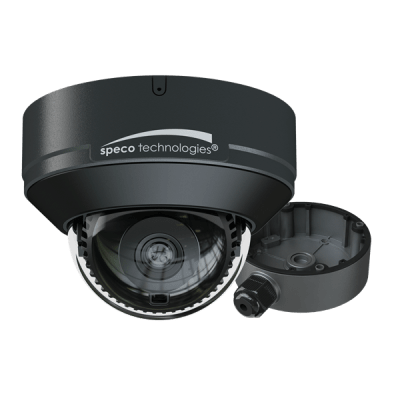
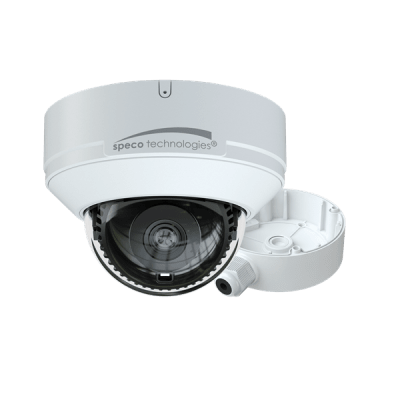
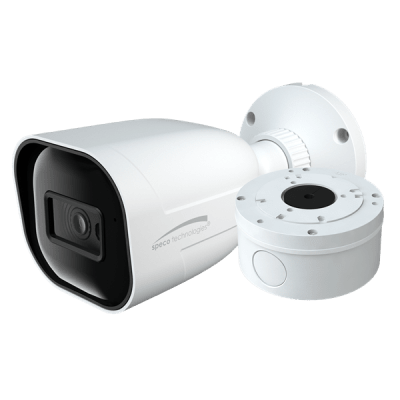
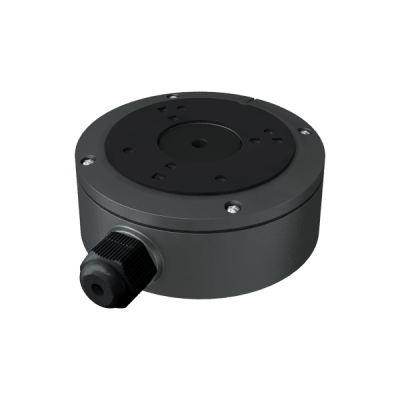
IP cameras encode video at the camera and communicate over Ethernet, often using PoE. HD analog systems transmit video over coax to a DVR and can be attractive when reusing existing coax infrastructure. Hybrid recorders can support mixed migration strategies.
Higher resolution can provide more image detail, but lens quality, field of view, lighting, compression and installation height may have equal or greater impact. A wide-angle camera covering a large area can have fewer pixels on the target than a lower-resolution camera with a properly selected lens.
Storage requirements depend on camera count, resolution, frame rate, codec, scene activity, recording schedule and desired retention period. Motion recording can reduce storage use, while high-motion scenes and higher quality settings increase it. Recorder throughput and drive capacity both matter.
IP surveillance may use PoE switches or injectors, while analog systems often use centralized 12 VDC or 24 VAC power. Check total power budget, cable distance, voltage drop, network uplinks and surge protection. Remote outdoor devices can be especially vulnerable to grounding and transient issues.
For mixed-brand IP systems, ONVIF profile conformance can improve interoperability between cameras, recorders and management software, but supported features still need to be verified. Advanced analytics, audio, edge recording and event functions may depend on the specific profile and implementation.
Change default credentials, keep firmware supported, segment surveillance networks where practical and control remote access. A camera system is an IT system as well as a security system; maintenance should include software updates, storage health checks, time synchronization and periodic image review.
A strong surveillance design starts with a camera schedule that defines purpose, location, mounting height, field of view and required detail for every scene. A warehouse entrance may need identification-level imagery, while a parking lot may need broad situational coverage. Separating those objectives avoids overspending on resolution where it adds little value and underspecifying critical views where evidence quality matters.
Surveillance systems may exchange events with access control, intrusion, intercom and building-management platforms. Integration can improve investigations—for example, associating a door event with nearby video—but requires compatible interfaces and careful time synchronization. Network, power and cybersecurity teams should be involved early on larger projects because cameras and recorders can create substantial PoE load, storage demand and east-west network traffic.
A surveillance system should be designed around how video will actually be used after an incident. Define normal retention, who can export footage, how timestamps are synchronized, whether audio is permitted, and how evidence is preserved. Longer retention increases storage cost, while excessive compression can reduce evidentiary detail. Operational policy also matters: camera views should be periodically reviewed so landscaping, construction, lighting changes or dirty lenses do not quietly make important scenes unusable.
For a replacement or new installation, send Wallco the equipment model, system type, electrical or network requirements, installation environment and any compatibility constraints. The more application detail provided, the easier it is to narrow the correct product family and avoid a physically similar but incompatible part.