

The Pan Pacific Monitor / Projector Cables category covers audio/video connectivity within the manufacturer's audio/video interconnects and interface hardware catalog.
For this Pan Pacific category, verify source and destination interface, connector gender, supported signal standard, cable length, shielding and whether the item is passive or performs active conversion/switching. Those attributes determine mating compatibility and whether the part is appropriate for the intended equipment or cabling system.
The catalog path is Pan Pacific > Audio/Video Components > Monitor / Projector Cables. Keeping the manufacturer family, parent interface and exact subcategory together is useful for distinguishing parts that share a similar appearance but use different termination, wiring, impedance, contact or mounting details.
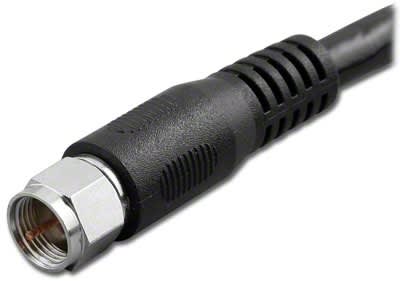
Start with the existing Pan Pacific part number when replacing a component. If it is unavailable, document the mating equipment and the key attributes for monitor / projector cables: source and destination interface, connector gender, supported signal standard, cable length, shielding and whether the item is passive or performs active conversion/switching.
Wallco currently has 103 active Pan Pacific products assigned to this category in the latest catalog export. The category is intended to narrow the choice; final compatibility should be confirmed at the individual part level.
Do not assume that two products in the monitor / projector cables family are interchangeable solely because they share a connector family. Pinout, impedance, shielding, termination, shell size, wiring standard or signal direction may differ depending on the interface.
Compare source and destination interface, connector gender, supported signal standard, cable length, shielding and whether the item is passive or performs active conversion/switching.
Match the complete Pan Pacific part number first. If cross-referencing, compare the mating interface, mechanical format, termination/wiring and electrical or signal requirements before substituting another model.