
RCA adapters and couplers connect, extend or reconfigure RCA-based signal paths without replacing the entire cable. They are useful for gender changes, inline extensions, channel breakouts and transitions between RCA and other connector styles, but an adapter only changes the physical interface unless it contains active conversion electronics.
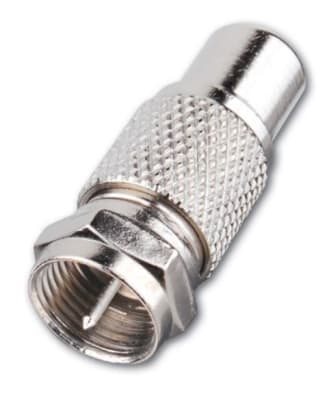
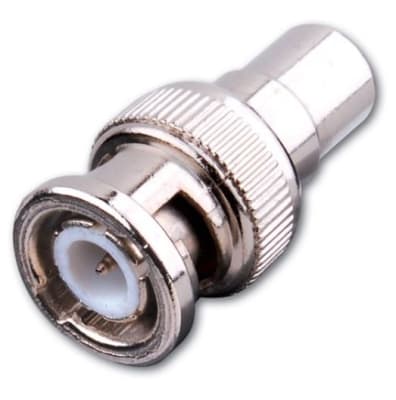
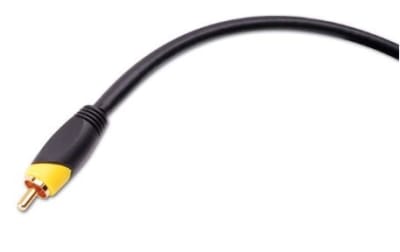
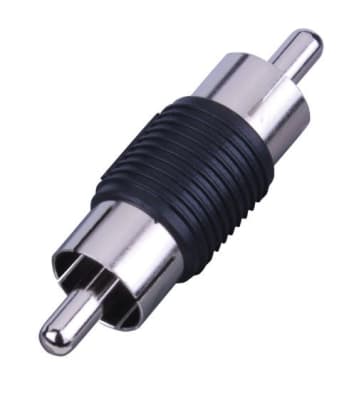
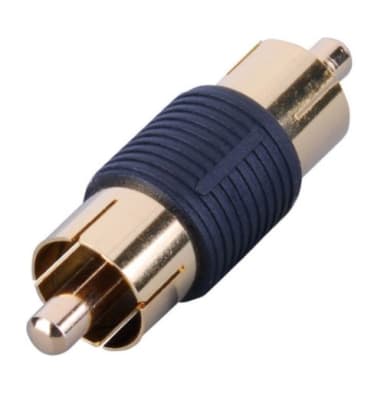
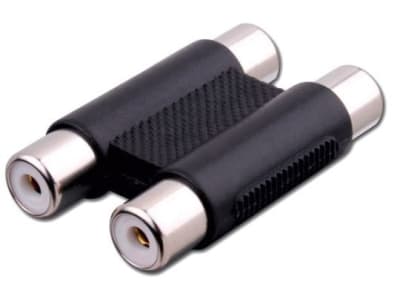
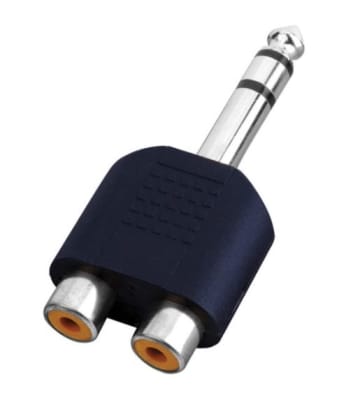
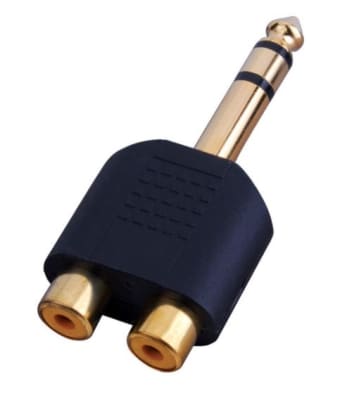
Passive RCA adapters can change connector gender or physical form, such as RCA plug-to-jack, RCA-to-BNC or an inline female-to-female coupler. They do not convert analog audio into digital audio, composite video into HDMI, or one electrical standard into another. If the source and destination use incompatible signal formats, active electronics are required even when a passive adapter physically fits.
Female-to-female RCA couplers are commonly used to join two male-ended cables. They are convenient for temporary extensions and service work, but every additional connection introduces another mechanical interface and a small amount of electrical discontinuity. For permanent or high-performance installations, a single correctly sized cable is usually preferable to multiple coupled segments.
Adapters between RCA and BNC are common in video, test and legacy surveillance systems because both connector families can be used with coaxial signals. The adapter changes the connector, not the impedance or signal type. Verify that both pieces of equipment use the same underlying electrical format and that the cable itself is appropriate—for example, 75-ohm video coax for baseband video applications.
Right-angle adapters solve clearance problems behind equipment. Y-adapters may split or combine connections physically, but they should not be assumed to provide proper signal distribution. In audio systems, paralleling outputs or inputs can change loading; in video systems, improper passive splitting can create termination and level problems. Use purpose-designed distribution hardware when the circuit requires buffering or controlled impedance.
Identify the connector gender on both sides, the actual signal, expected frequency range, cable impedance where relevant, and available space. Avoid long chains of adapters because they increase leverage on jacks and create more potential failure points. In mobile or vibration-prone installations, secure the cable so the adapter does not carry the mechanical load.
When an adapter is used in a coaxial signal path, keep the mechanical transition compact and avoid hanging heavy cable from the equipment jack. A short adapter lead can sometimes reduce leverage compared with a rigid barrel adapter. For stereo or multi-channel systems, label adapted channels so later service work does not depend on connector color alone.
RCA adapters are appropriate when the electrical signal is already compatible and only the connector style, gender or direction must change. If a cable end itself is damaged, replacing the plug is usually cleaner. If a panel connection is damaged, replace the receptacle. If the two devices use different signal formats, choose an active converter rather than a passive RCA adapter.
A single well-chosen adapter is often useful; a chain of several adapters is usually a warning sign. Each junction increases mechanical leverage, contact resistance and the chance of an intermittent connection. If an installation needs repeated connector conversions, consider replacing the cable or using a purpose-built breakout panel so the signal path is easier to service and document.
A passive mechanical adapter cannot convert analog RCA video or audio into HDMI. Active conversion circuitry is normally required.
Many couplers will physically work, but a 75-ohm coaxial path is preferred for digital coax applications to preserve signal integrity.
Not always. Passive splitting changes loading and may be unsuitable for video or certain outputs. Use the correct distribution method for the signal.
Wallco can help narrow connector family, gender, contact count, termination, cable fit and application requirements. For replacements, provide the equipment manufacturer/model, clear photos of the mating face and side profile, and any dimensions or pinout information available.