

Power Sonic manufactures rechargeable battery and energy-storage products used for standby power, UPS systems, fire and security, emergency lighting, telecom, mobility, renewable energy, industrial equipment and other applications that depend on reliable DC power.
The Power Sonic battery portfolio includes general-purpose PS Series valve-regulated lead-acid batteries, PSH and PHR high-rate batteries for rapid discharge, PG Series long-life AGM batteries, PDC deep-cycle AGM batteries and lithium battery families designed for applications where cycle life, weight, monitoring or energy density are priorities.
These series are not interchangeable simply because voltage and amp-hour ratings appear similar. Battery selection should account for chemistry, nominal voltage, required capacity, discharge rate, standby versus cyclic duty, terminal style, physical dimensions, charger compatibility, temperature and the service-life expectations of the equipment.
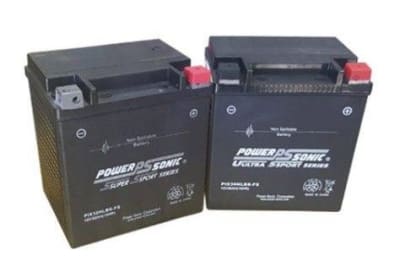
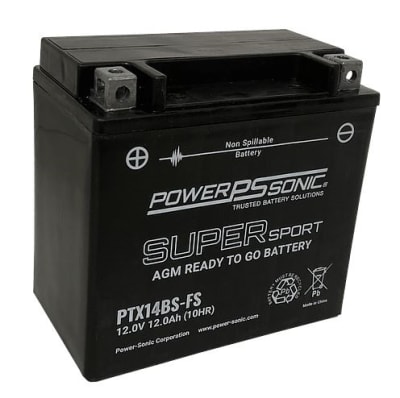
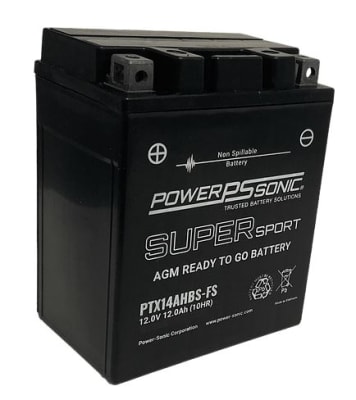
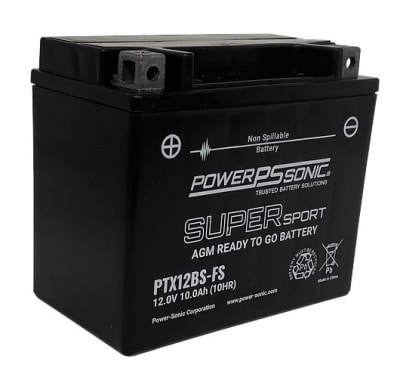
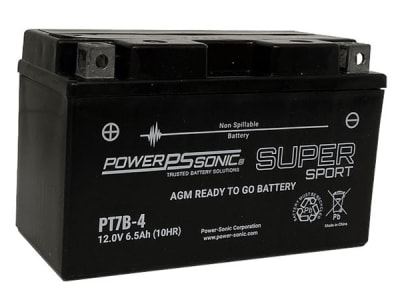
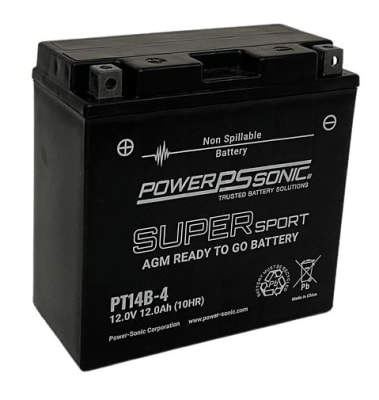
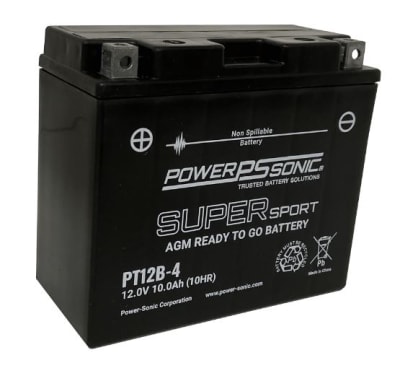

Start with the electrical requirement: nominal battery voltage, required amp-hour capacity and the discharge profile of the load. A battery specified for long-duration cycling is optimized differently from a battery intended to deliver a large amount of current for a short UPS runtime.
For standby systems, compare float-life requirements and the expected replacement interval. Power Sonic positions the PG Series for long-life standby service, while PHR models emphasize high-rate discharge for UPS, data-center and emergency-backup applications. PDC models are intended for deep-cycle duty where repeated cycling and runtime are more important than float-only service.
Mechanical fit matters just as much as electrical capacity. Confirm case dimensions, terminal type and orientation, allowable weight, cable or connector requirements and available battery-compartment clearance before replacing an existing battery.
Charging must match the battery chemistry and manufacturer requirements. AGM/VRLA and lithium iron phosphate batteries use different charging strategies, so a lithium replacement should not be substituted for a sealed lead-acid battery unless the equipment and charger are compatible with that chemistry and battery-management system.
For replacement work, the existing battery model is the best starting point, but verify the current Power Sonic specification rather than relying only on nominal voltage and amp-hour ratings.
PS Series batteries are general-purpose AGM/VRLA batteries for standby and light cyclic use. PG Series batteries use a long-life design intended for applications where extended float service and reduced replacement frequency are important.
PHR Series batteries are designed for high-rate discharge, making them well suited to UPS, data-center and backup-power applications that require substantial current over a relatively short runtime.
Standby batteries spend most of their life on float charge and discharge mainly during an outage. Deep-cycle batteries are designed for repeated discharge and recharge. Choosing the wrong duty type can shorten battery life even when voltage and capacity appear correct.
Only when the equipment, charger, voltage window, physical installation and battery-management requirements are compatible. Lithium iron phosphate and AGM batteries should not be treated as automatic drop-in equivalents.
Use the existing part number when available, then confirm nominal voltage, capacity, dimensions, terminal type and orientation, application duty and charger compatibility.