
3.5mm audio plugs are compact phone-style connectors used for headphones, line-level audio, microphones, control leads and equipment-specific interfaces. The key selection issue is not simply “3.5mmâ€: the number of conductive sections, wiring convention, cable size and intended signal must all match the application.

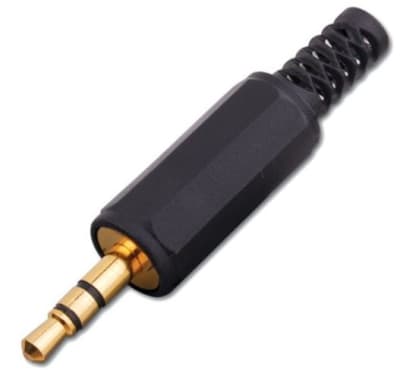
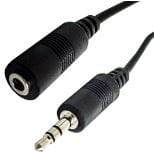
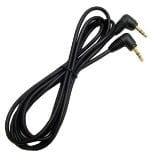
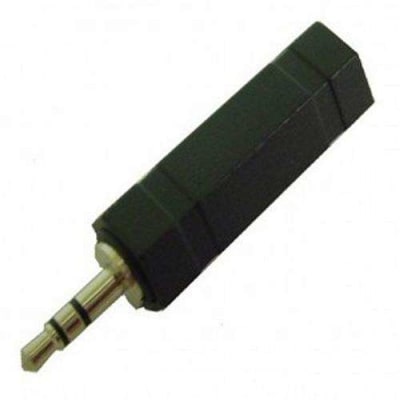

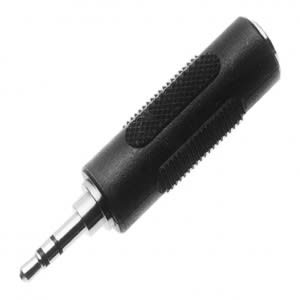


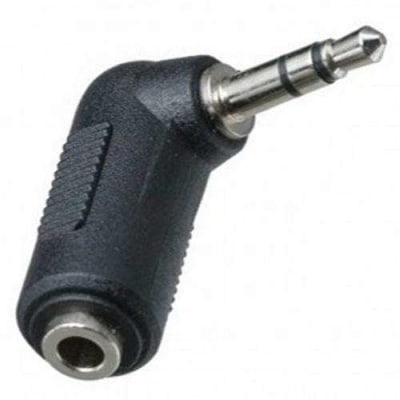
A 3.5mm plug may have two, three or four conductive sections. TS plugs provide tip and sleeve contacts and are often used for mono or simple control circuits. TRS adds a ring contact and is commonly used for stereo audio or balanced mono. TRRS adds a second ring and can support headset microphone plus stereo audio or other multi-conductor functions. Contact count must match the equipment; more conductors do not automatically mean compatibility.
A 3.5mm TRS plug can represent left/right stereo plus common return, or it can carry a balanced mono signal depending on the equipment. TRRS headset wiring introduces another compatibility layer because different pin assignments have existed. For replacement work, identify the equipment model or trace the original cable rather than assuming connector shape defines the pinout.
Field-terminable plugs must fit the cable jacket and internal conductor count. Miniature headphone cable may require small solder terminals and careful strain relief, while industrial or control applications may use larger multi-conductor cable. The cable clamp should grip the jacket, not the insulated conductors, so pulling force is not transferred to solder joints.
Straight plugs work well for bench equipment and open rear panels. Right-angle plugs reduce protrusion on handheld devices, rack fronts, vehicles and tight enclosures. The tradeoff is less internal termination space, so conductor routing and strain relief deserve extra care in field-assembled connectors.
Intermittent channels, crackling while the plug rotates, missing microphone function or audio only on one side can result from incorrect contact count, wrong wiring, worn jacks or broken cable conductors near the strain relief. Document whether the original plug is TS, TRS or TRRS and whether the application is stereo, balanced, microphone/headset or proprietary control before ordering a replacement.
Connector diameter is only the starting point. Count the insulating bands on the existing plug, identify whether a microphone or remote-control function is present, and note whether the cable is coaxial, two-conductor shielded or multi-conductor. On repairable headset cables, very fine enamel-coated conductors can require different preparation than conventional stranded hookup wire.
Choose this category for male 3.5mm cable-end connectors. Female equipment or panel connections belong under 3.5mm Audio Jacks & Receptacles. When the task is only to transition between 3.5mm and 1/4-inch formats, an Audio Plug & Jack Adapter may solve the problem without cutting or reterminating the cable.
Common applications include headphones, powered speakers, portable recorders, computers, test fixtures, radios, vehicle audio and compact control equipment. In each case the plug may look identical while the circuit differs. Matching the number of contacts and the wiring convention is therefore more important than matching the familiar headphone-plug appearance.
No. TRS can carry stereo unbalanced audio, balanced mono audio or other three-conductor circuits depending on the equipment.
Sometimes for limited functions, but not universally. Mechanical contact position and wiring convention determine whether the connection works correctly.
3.5mm is the modern nominal size commonly called “1/8-inch,†although the dimensions are not literally identical to one eighth of an inch.
Wallco can help narrow connector family, gender, contact count, termination, cable fit and application requirements. For replacements, provide the equipment manufacturer/model, clear photos of the mating face and side profile, and any dimensions or pinout information available.
